

Inventory, pricing, and days on market are most useful when you read them together. In Black Butte Ranch, a small pool of comparable homes can make individual sales especially influential, so the details behind the numbers matter. Here’s how to evaluate the market before making your next move.
Start with the Homes Available Now
A look at active listings offers a starting point for understanding the market, but the total number of homes for sale is only part of the story. A buyer looking for a particular layout or setting may have fewer relevant choices than the overall count suggests. A seller, meanwhile, needs to know which properties a prospective buyer is likely to compare with theirs.
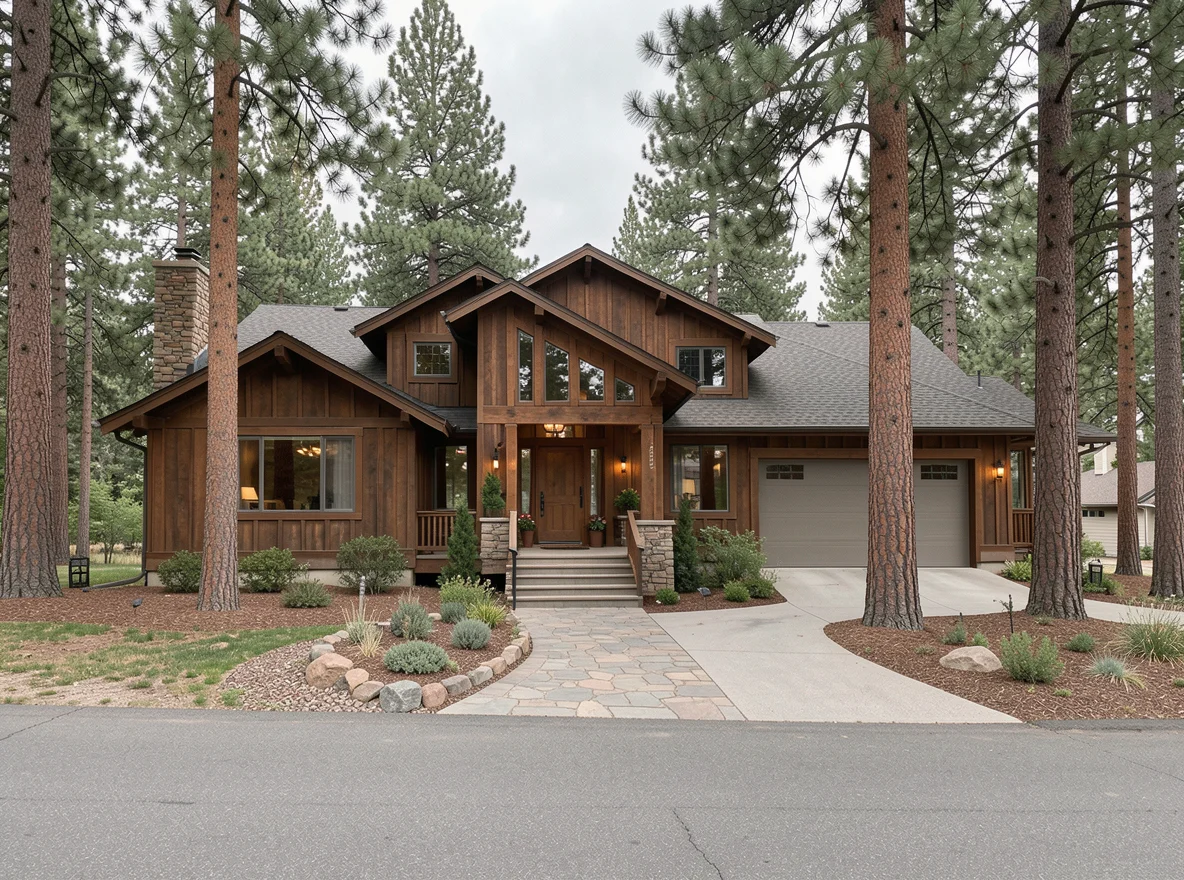
Look beyond the headline inventory figure to the details: price range, size, condition, location, and property features. A home with recent updates may compete differently from one that needs work, even if both have similar square footage. Outdoor spaces and wooded surroundings can also shape how buyers compare properties in this Central Oregon setting.
It helps to review newly listed, pending, and recently sold homes alongside active inventory. New listings show what is entering the market; pending sales show which properties have attracted an accepted offer; closed sales provide the strongest evidence of what buyers have actually paid. Ask for the date range and property criteria behind any market report so you know what is—and is not—included.
Search Black Butte Ranch listings
What Pricing Movement Can—and Cannot—Tell You
Asking prices show seller expectations, not completed transaction values. To understand pricing movement, compare recent closed sales with earlier sales of reasonably similar homes, then consider how differences in condition, size, location, and amenities might affect value. A change in the median sale price alone does not prove that every home has gained or lost value.
In a market with relatively few transactions, the mix of homes sold can shift a median substantially. For example, if more higher-priced properties close in one period than another, the median may rise even if comparable individual homes have not changed in value by the same amount. The reverse can also happen. The number of sales behind a statistic is just as important as the statistic itself.
A price change and a change in the types of homes sold are not the same thing. Check the number and characteristics of closed sales before drawing conclusions from a median.
For an individual property, ask how the original list price, current list price, and eventual sale price compare. Price reductions can signal a seller’s response to buyer feedback or competition, but they do not automatically establish what a home is worth. An agent can help review comparable sales and the circumstances around them; an appraisal, when required, is a separate part of the financing process.
Reading Days on Market in Context
Days on market generally describes how long a listing has been active, but definitions and tracking practices can vary by listing system. Some reports show the time since the current listing began; others may also provide cumulative time across listing periods. Ask which measure you are seeing, especially when a property has been withdrawn and relisted.
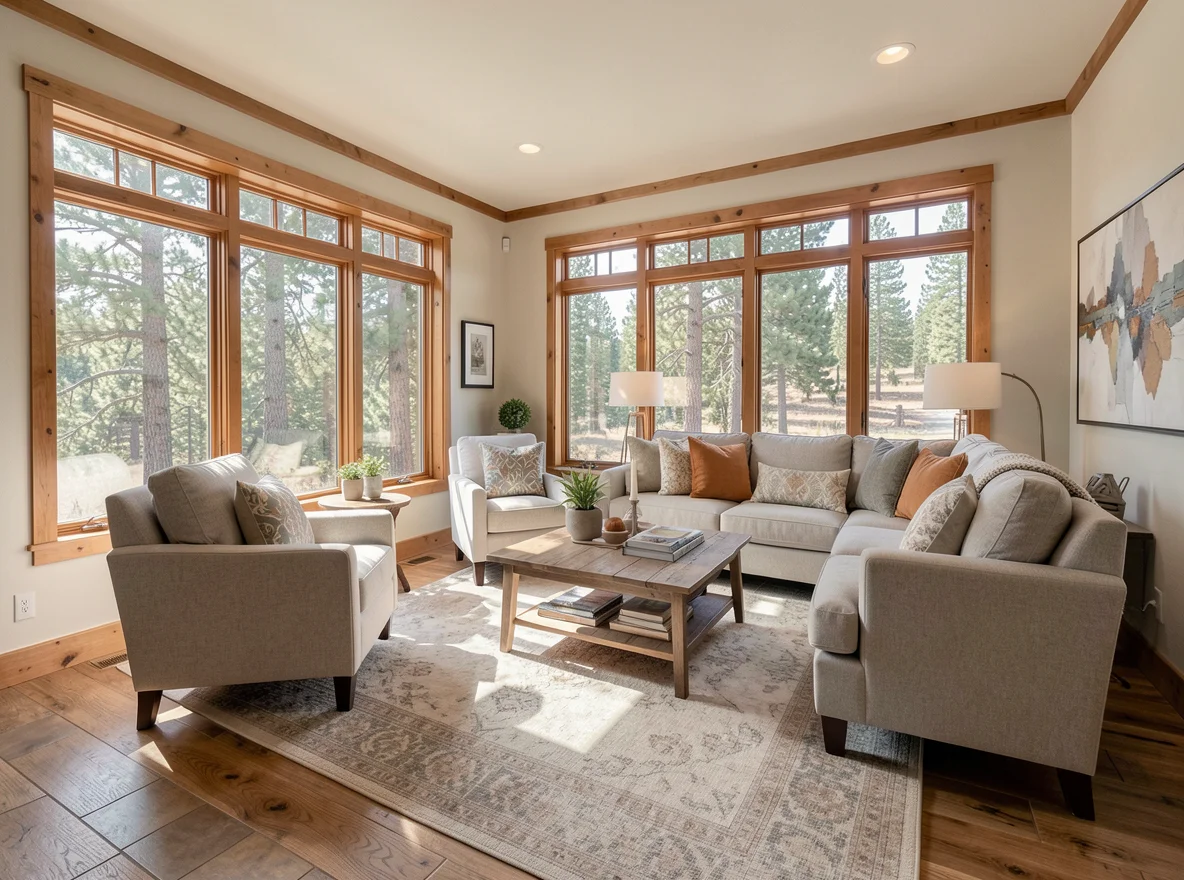
A longer listing period can invite useful questions rather than an immediate assumption that something is wrong. Was the home initially priced above competing properties? Did the seller adjust the price? Does the property have distinctive features that appeal to a narrower set of buyers? Showing availability, financing considerations, and the time of year may also affect the path to an offer.
A short listing period deserves context, too. A quickly accepted offer can reflect compelling pricing, presentation, or limited competition, but it does not tell you the final terms. For buyers, the practical response is preparation: understand your budget, review the property carefully, and be ready to make a considered decision. For sellers, it is a reminder to evaluate likely buyer alternatives before choosing a launch price.
When comparing a particular home with the broader market, use a similar price range and property type where possible. An overall average may be less informative if it combines homes with very different sizes or features. A local review can also help you distinguish a genuinely stale listing from one that has simply been on the market longer than the newest arrivals.
Use the Numbers to Plan Your Next Step
For buyers
Begin by defining the features and total costs that matter to you, then watch the relevant listings over time. Note when properties enter the market, change price, go pending, or return to active status. This creates a more useful picture than a single day’s search results and helps you recognize a property that warrants closer attention.
Before making an offer, review available disclosures and investigate property-specific expenses, including any applicable association fees, rules, and assessments. If financing, speak with a lender about your options and the timing of a preapproval. Keep room in your decision for inspections and other appropriate due diligence rather than treating market speed as a substitute for research.
For sellers
Start with a current review of competing listings and recent comparable sales. Consider whether preparation or repairs could help buyers understand the property’s condition, and discuss how the proposed price relates to alternatives buyers can see today. A pricing plan should include how you will assess showings and feedback after the home is listed, rather than relying on a fixed expectation about how quickly it will sell.
Season can influence both presentation and logistics: weather affects when certain exterior features are easiest to inspect, photograph, or maintain. It is still worth checking current listing and sales data rather than assuming a particular month will bring more inventory or stronger offers. Your own timing, preparation, and goals matter alongside the market.
A More Useful Market Snapshot
There is no current set of verified figures in this overview, so use it as a framework rather than a market report. For a timely snapshot, ask Ponderosa Properties, LLC for recent active, pending, and closed listings in Black Butte Ranch, along with their date ranges, pricing history, and days-on-market definitions. Taken together, those details can help you move beyond a headline and make a decision grounded in the homes actually competing in your segment.