

A Camp Sherman cabin can offer a wonderful connection to Central Oregon’s forests and the Metolius River, but the details beneath and beyond the house deserve attention too. Before committing, investigate the septic system, water supply, road access, and any restrictions on the property. A little research early can help you make a more confident offer and avoid surprises before closing.
Start With the Cabin—and the Land Beneath It
Summer is a good time to see a property’s outdoor spaces, walk its boundaries, and picture everyday life among the pines. It is also a chance to look past the porch and the setting. In Camp Sherman, the questions that matter most often involve how a cabin is maintained, how utilities work, and what it takes to reach the property throughout the year.
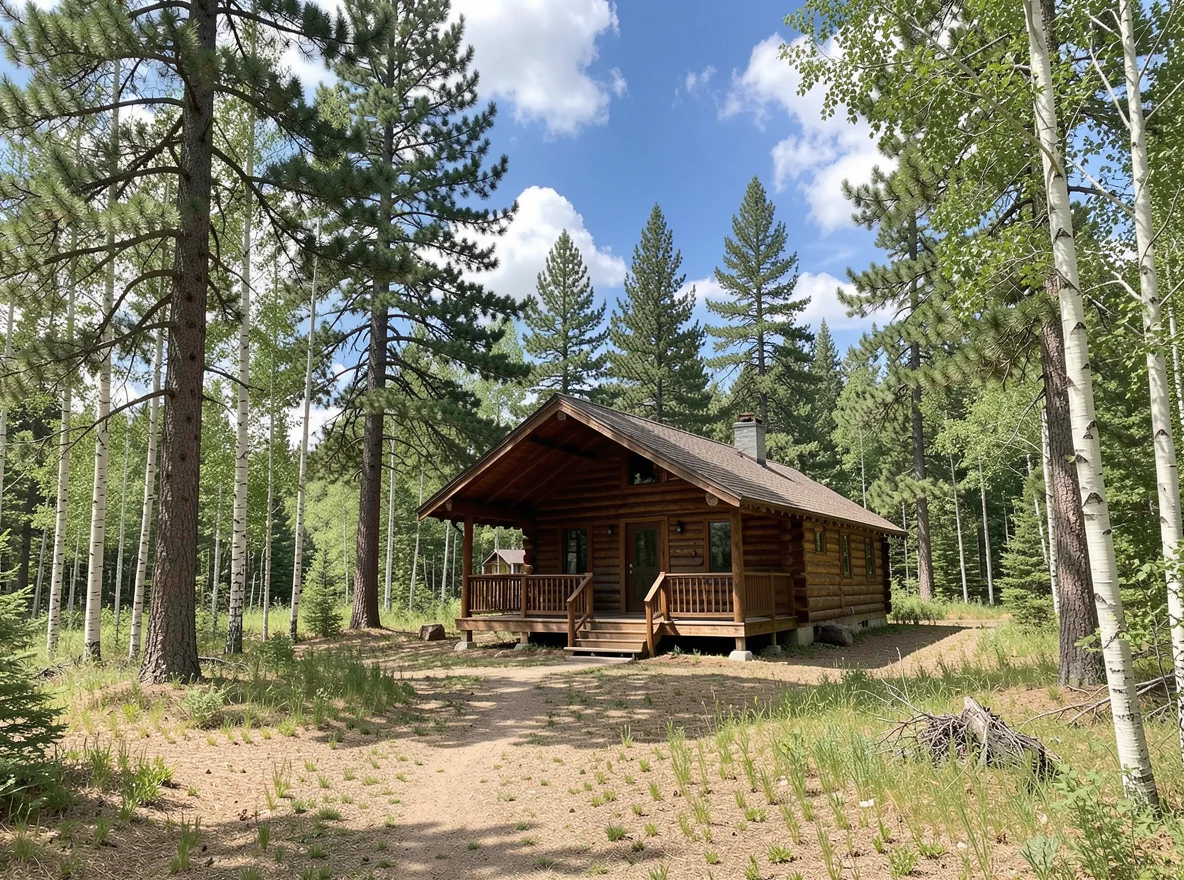
Begin by confirming exactly what is being offered. Ask for the legal description, parcel information, and any available survey. If a cabin is on leased land or held under a permit rather than sold with the land outright, investigate the terms, transfer requirements, fees, and limitations with the relevant landowner or agency. Do not assume that every cabin comes with the same ownership arrangement.
Then consider the building itself. An older cabin may have appealing woodwork and a simple footprint, but age and seasonal use can also raise questions about insulation, plumbing, heating, roofing, and past repairs. An inspection can help distinguish a cosmetic project from work that requires a larger budget or a specialist’s evaluation.
Buyers should also compare the advertised layout with permits and records where available. A room described as a bedroom, for example, may not match the septic system’s approved capacity or the property’s permit history. Ask about additions and conversions early, particularly if you hope to remodel or expand.
A cabin’s advertised bedroom count and its septic approval are not necessarily the same thing. Verify both before relying on the layout for future plans.
Take a Closer Look at Septic
A septic system is an important part of a property’s value and functionality, even though much of it is out of sight. Ask the seller for available permits, installation records, service invoices, pumping history, and information about the tank and drainfield location. Missing records do not automatically mean a system has a problem, but they are a reason to investigate further.
Arrange an evaluation by a qualified septic professional and discuss the scope in advance. Ask what the inspection includes, whether pumping is recommended to assess the tank, and whether the system appears to be operating properly. A routine home inspection may not provide the same level of detail. The relevant permitting authority can also help you understand what records exist and what requirements may apply to repairs or replacement.
Plan for the future, not just the closing date. If you are considering an addition, a larger household capacity, or a change in use, ask the appropriate authority and a septic professional what approvals or upgrades might be necessary. Costs and feasibility depend on the property and the applicable rules; neither should be assumed from a neighboring cabin.
Questions to bring to an inspection
- Where are the tank, drainfield, and any reserve area located?
- What maintenance has been documented, and what does the inspector recommend next?
- Are there signs of damage, drainage issues, or conditions that warrant further testing?
- What is the system’s permitted capacity, and how does it relate to the existing home?
Leave enough time in your offer’s inspection period to obtain records, schedule qualified professionals, and review their findings. If a concern arises, your agent can help you understand the contract’s deadlines and discuss possible next steps, including requests for additional information or negotiated repairs.
Understand the Road Before You Rely on It
A pleasant summer drive does not answer every access question. Find out whether the road and driveway are public or private, who maintains them, and whether written agreements describe shared costs. Review the title report for recorded easements and ask your agent or a qualified professional to help identify any questions that need further review.
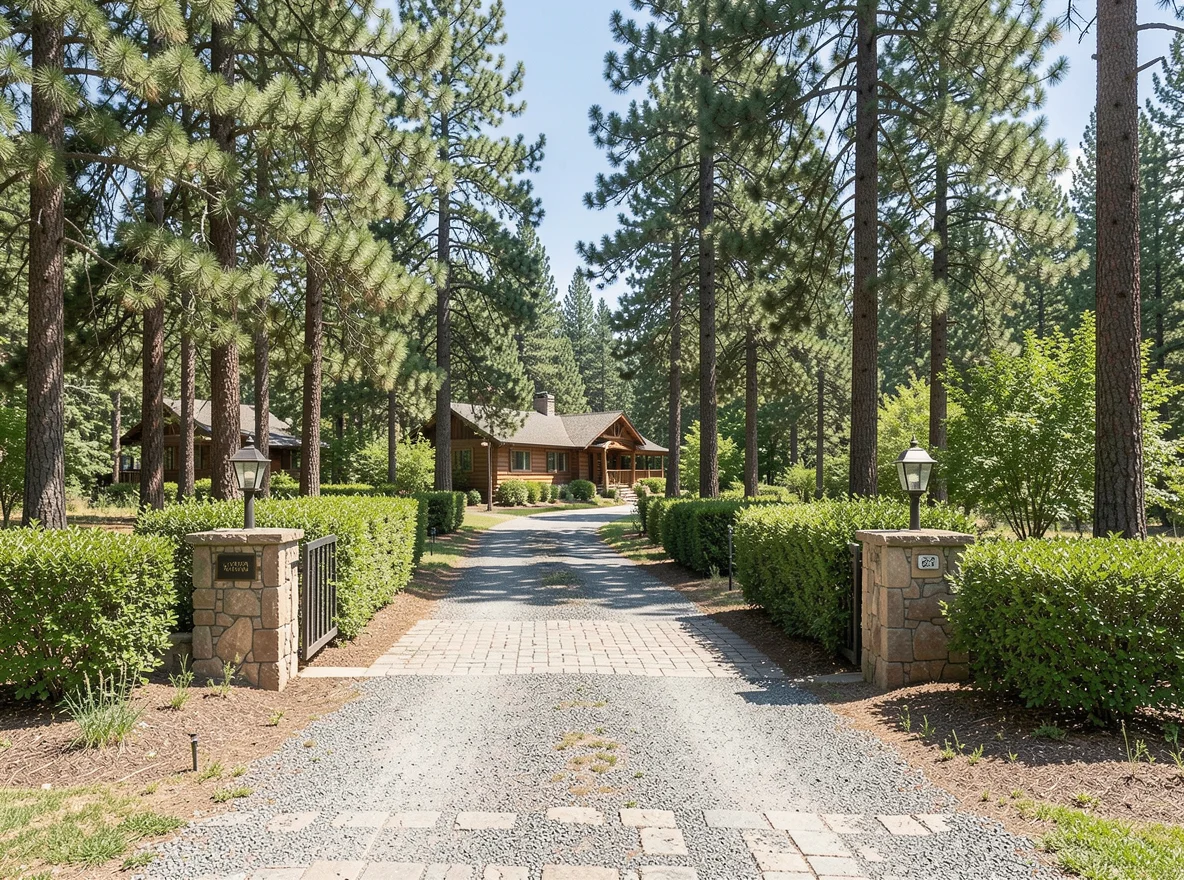
Legal access and practical access are different considerations. A recorded right to cross a road is important, but buyers should also ask about the road’s condition, gates, seasonal maintenance, snow removal arrangements, and the ability of service vehicles to reach the property. If you are visiting in dry weather, ask what conditions are like at other times of year and whether maintenance costs vary.
Look at the driveway itself as well. Its slope, surface, drainage, and turnarounds can affect maintenance and use. Ask whether any portion crosses another parcel and, if so, whether the necessary rights are documented. A survey or professional advice may be useful when boundaries or access routes are unclear.
A road that looks straightforward in July may require a different maintenance plan in winter. Ask who handles snow removal and how the cost is shared.
If the property has a shared road agreement, read it rather than relying on a verbal description. Look for provisions about repairs, cost sharing, and decision-making, and ask about any known disputes or upcoming work. Your title and legal professionals can help clarify questions that fall outside a typical property inspection.
Check Water, Insurance, and Financing Early
Ask whether the cabin is served by a private well, a shared system, or another water source. Request available records and discuss appropriate water-quality and flow testing with qualified professionals. For a shared supply, review any agreement covering access, maintenance, and expenses. If the home has been used seasonally, ask how the plumbing is protected when temperatures drop.
Insurance deserves an early conversation too. Contact an insurance professional with the property address and details about construction, heating, water supply, and access. Ask about available coverage, deductibles, exclusions, and any property-specific requirements. Wildfire exposure and other risks can affect availability or cost, so obtain a quote before your contractual deadlines rather than treating insurance as a final-week task.
If you plan to finance the purchase, tell your lender about any unusual ownership arrangement, seasonal features, shared access, or planned use. Lending requirements can differ by property and loan program. A lender can explain what documentation and appraisal conditions may apply, while your agent helps coordinate the timing with the purchase agreement.
A Practical Checklist for Sellers
If you are preparing to sell, gather the documents a buyer is likely to request: septic and well records, maintenance receipts, permits for improvements, surveys, access agreements, and insurance information. If a document cannot be found, let your agent know so the question can be addressed rather than discovered at the last minute.
Walk the property with an eye toward clear presentation. Make inspection areas accessible, identify utility components if you can, and be ready to explain seasonal routines such as winterizing or road maintenance. Disclose known conditions as required, and avoid guessing when a record or qualified professional can provide a better answer.
Make Your Camp Sherman Search More Informed
The appeal of a cabin is easy to see: a wooded setting, outdoor recreation, and time close to the Metolius River. The best next step is to pair that feeling with a careful review of the property’s systems, access, and ownership details. Ponderosa Properties, LLC can help you navigate the questions, coordinate your search, and identify the professionals who can provide property-specific answers.