

Buying your first home in Sisters starts with more than saving a down payment. A clear budget, a thoughtful search, and a plan for inspections and closing can help you make decisions with confidence. Here’s how to move from your first lender conversation to the day you receive the keys.
Start With the Full Cost of Homeownership
A home search can begin with a porch among the ponderosa pines or a favorite view of the Cascades. Before you tour, though, take a close look at the numbers behind the purchase. Knowing what you can comfortably spend each month makes it easier to focus on homes that fit your plans.

Your down payment is only one part of the picture. Set aside funds for closing costs, inspections, moving expenses, and a reserve for repairs after you move in. Your monthly budget should account for the mortgage payment, property taxes, homeowners insurance, utilities, maintenance, and any homeowners association dues. Depending on the loan and down payment, mortgage insurance may also apply.
There is no single down payment that works for every buyer. Some loan programs allow less than 20% down, subject to eligibility and lender requirements. Ask a lender how different down payments affect your monthly payment, mortgage insurance, and available cash after closing. Also ask whether any first-time buyer assistance programs may be available and what conditions apply.
A smaller down payment can leave more cash available for closing and repairs, but it may also increase your monthly payment. Compare the tradeoffs before choosing a loan.
As you build your budget, request insurance quotes early enough to understand potential costs and coverage. For a particular property, ask insurers about wildfire-related considerations and any requirements that could affect the policy. A comfortable budget leaves room for both the predictable bills and the surprises that come with owning a home.
Compare Lenders and Get Preapproved
Preapproval gives you a clearer sense of the financing a lender may offer based on a review of your financial information. It also helps you shop with a price range in mind. Be prepared to provide documents such as income records, bank statements, and information about existing debts; the lender will explain what it needs for your situation.
Consider speaking with more than one lender about loan options, rates, fees, and estimated cash to close. Compare the details rather than focusing on the interest rate alone. Ask how long a quoted rate is available, whether it can be locked, and what could change before closing. A preapproval is not a final loan commitment: the lender still needs to review the property and complete underwriting.
Learn how to choose a mortgage lender
Once you are under contract, check with your lender before making a major purchase, opening new credit, or changing financial arrangements. Any of these can affect the information used for approval. Keep your lender informed and respond promptly to document requests so financing stays on track.
Turn Your Sisters Wish List Into a Search
With a budget in hand, decide which features matter most. Consider the layout, number of bedrooms, outdoor space, parking, storage, and the amount of maintenance you are prepared to take on. Separate essentials from preferences so you can compare homes without losing sight of your priorities.
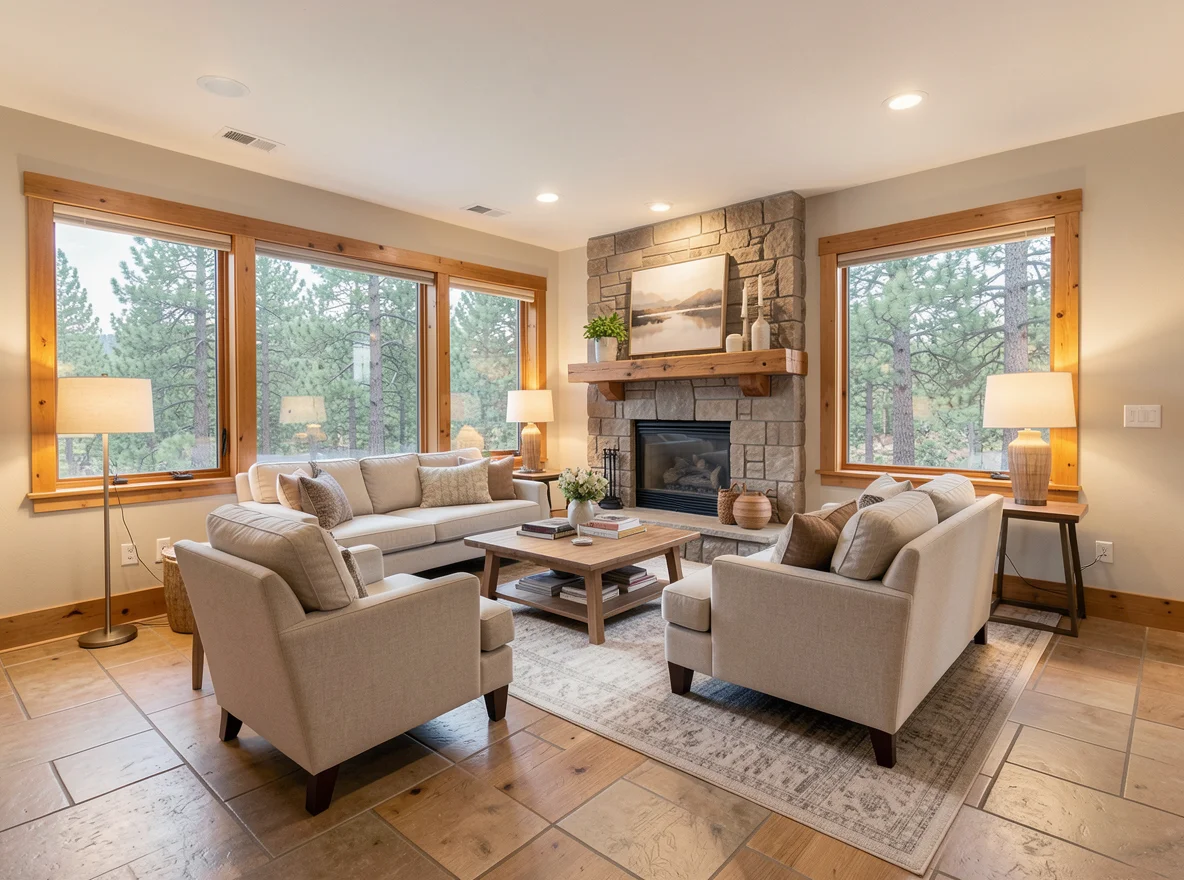
Think about your everyday routines, too. Look at the location of the services, dining, schools, and outdoor activities that matter to you, and test routes at the times you expect to travel. Sisters offers access to Central Oregon scenery and recreation, but the experience of a particular home will depend on its setting, road access, and distance from the places you visit regularly.
Online listings are a useful starting point, but a visit can reveal details that photographs cannot. Notice natural light, storage, the condition of surfaces, and how the rooms connect. Ask about heating and cooling, snow removal responsibilities, internet service, and any association rules or fees. If a home is outside town, confirm practical details such as water source, wastewater system, and access arrangements rather than assuming they are the same as those of a home in town.
Summer weather can make it convenient to explore properties and plan a move, but the number of homes available and the level of competition can change. Review current listings with your agent rather than relying on a seasonal assumption. If you find a promising home, compare it with recent relevant sales and consider its condition before deciding what it is worth to you.
Make an Offer With a Plan
When you find a home that fits, your agent can help you review comparable sales and prepare an offer. Price matters, but so do the proposed closing date, earnest money, financing terms, and contingencies. The seller may accept, reject, or counter your offer, so decide in advance which terms you can adjust and where you need to hold firm.
Earnest money is a deposit that shows your intent to proceed under the agreement. If the transaction closes, it is generally credited toward the amount you owe at closing. Whether it is refundable if the deal does not close depends on the contract and circumstances. Review the agreement with your agent before signing, including deposit instructions and deadlines.
Contingencies can give you opportunities to investigate the property or obtain financing under the contract’s terms. Their wording and deadlines matter: missing a deadline may affect your options. Ask your agent to explain what each provision allows, when you need to act, and how any requested changes must be documented.
Inspect, Review, and Resolve Questions
After your offer is accepted, arrange inspections promptly and review the seller’s disclosures and other available property documents. A general home inspection can help identify concerns with the home’s systems and condition, but it may not cover everything. Depending on the property, you may want to discuss additional evaluations of the roof, fireplace, well, septic system, or other features with qualified professionals.
An inspection is not a guarantee that every issue will be found. Use the findings to understand maintenance needs and decide whether to request repairs, negotiate other terms, or take another step permitted by your contract. The seller is not automatically required to agree to every request. Your agent can help you track the applicable deadlines and communicate your decision.
For a home with a well or septic system, ask early which records and inspections are available. Scheduling specialized evaluations can take time, and your contract deadlines still apply.
Your lender may also require an appraisal to assess the property for the loan. An appraisal is different from an inspection: it is not a substitute for investigating the home’s condition. If the appraisal or financing raises questions, talk with your lender and agent about the options available under your agreement.
Prepare for Closing and Your First Day Home
As closing approaches, review the title and escrow documents, confirm your homeowners insurance, and keep working with your lender until the loan receives final approval. Review your Closing Disclosure carefully and compare it with earlier estimates. Ask about any unfamiliar charges, the final amount needed to close, and how funds should be delivered.
Before sending money, verify wiring instructions directly with the escrow or title company using a trusted phone number. Do not rely solely on an email that announces a change in payment instructions. Arrange a final walkthrough as provided in your agreement to check the property’s condition and confirm any agreed work.
At closing, you will sign the required documents and provide the remaining funds. The timing of recording, possession, and key delivery depends on the transaction and your agreement, so confirm those details with your agent and escrow team. Once the purchase is complete, keep your paperwork, update your address, and make a practical maintenance list for the months ahead.
Buying a first home is a series of manageable decisions, not one giant leap. With a realistic budget, careful questions, and guidance from professionals, you can approach each step in Sisters knowing what comes next.