

A strong Black Butte Ranch listing begins well before the photographer arrives. Thoughtful preparation can help buyers focus on the setting, maintenance, and everyday usability of your home instead of a to-do list. Use this practical plan to present your property with clarity and confidence.
Start With the Experience Buyers Will See
Preparing a Black Butte Ranch home for sale is about more than tidying up for a showing. Buyers often arrive looking closely at the connection between the home and its Central Oregon setting: the approach from the road, outdoor gathering areas, natural light, views through the trees, and the condition of the features that support year-round use. A well-prepared listing helps each of those details feel intentional from the first online photo through an in-person visit.

Begin outside, where small maintenance items can have an outsized effect. Walk the property slowly as though you are seeing it for the first time. Clear pine needles from roof valleys, patios, decks, pathways, and gutters where appropriate. Trim back vegetation from walkways and exterior fixtures, remove seasonal clutter, and make sure house numbers, entry lighting, and the front door are easy to see. If there are visible signs of deferred exterior maintenance, a conversation with a qualified local professional can help you decide what should be addressed before launch.
Outdoor spaces deserve the same attention as interior rooms. Set out clean, simple furnishings on a deck or patio, arrange seating so the space feels usable, and make sure any grill, fire feature, or storage area is orderly. The goal is not to create a picture-perfect scene that feels artificial. It is to help buyers understand how a morning coffee on the deck, an afternoon in the shade, or an evening near the outdoor living area might fit into the home’s rhythm.
A listing can gain immediate visual clarity when decks, paths, exterior lighting, and entry areas are prepared before photography—not after the first showing request arrives.
It is also helpful to gather basic property information early. Locate manuals, service records, permits if applicable, recent repair invoices, utility details, and documentation related to major systems. Buyers and their representatives may ask about heating, cooling, roofing, windows, appliances, irrigation, or improvements. Organized records do not replace inspections, but they can make the transaction process more efficient and demonstrate careful ownership.
Make Interior Spaces Feel Open, Useful, and Ready
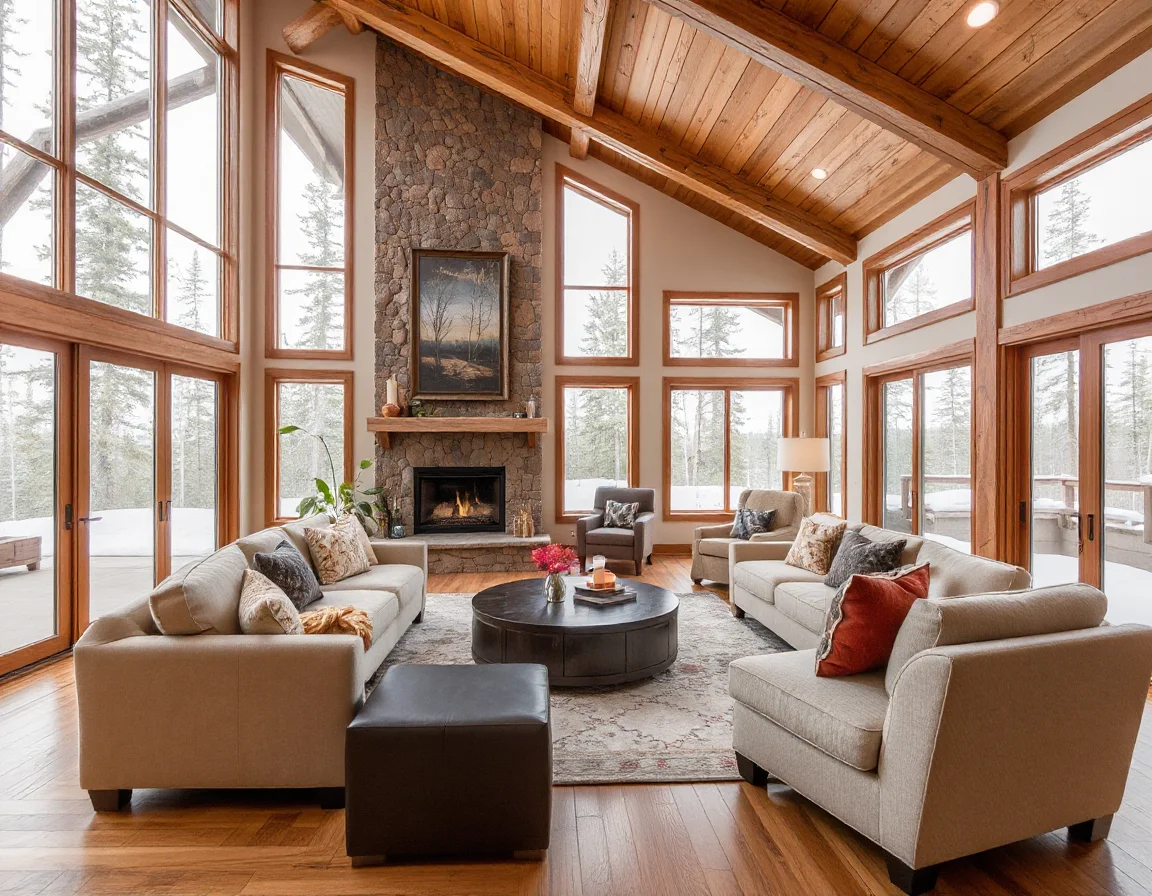
Inside, the most effective preparation is usually selective rather than dramatic. Remove excess furnishings that make a room feel smaller, clear surfaces that hide useful counter space, and store personal collections that distract from the home’s architecture. Buyers need enough visual room to notice ceiling height, window placement, built-in storage, fireplace details, flooring, and the way living areas connect.
Focus first on the rooms that tend to carry the most decision-making weight: the kitchen, primary living area, bathrooms, bedrooms, and any flexible spaces that might serve as an office, hobby room, or guest area. In the kitchen, clean appliances, polish hardware, simplify counters, and ensure lighting is working. In bathrooms, replace worn towels, remove nearly empty products, clean grout and fixtures, and repair small issues such as dripping faucets or loose cabinet pulls. These are modest steps, but they signal that the property has been cared for.
Natural light is a major asset in a wooded setting, so clean windows and open window coverings before photography and showings. Replace burned-out bulbs with consistent, warm lighting and test switches, fans, and smoke detectors. If a room has a distinctive feature—such as a vaulted ceiling, a wood stove, a built-in bench, or a view toward the trees—arrange furniture to support that feature rather than obscure it.
Preparation also includes the less visible areas. Empty or organize closets enough to show capacity, sweep garages and storage rooms, and make mechanical spaces accessible. Buyers may not expect every storage shelf to be bare, but they do benefit from seeing how the home functions. A clean utility area, orderly garage, and accessible crawlspace or service panel can reinforce the impression of an organized property.
Review the seller preparation guide
Plan Repairs With the Listing Strategy in Mind
Not every improvement will deliver the same value or make sense for every property. Before committing to a major renovation, consider the home’s condition, likely buyer expectations, comparable offerings, timing, and budget. Fresh paint in a neutral, well-executed palette, needed repairs, professional cleaning, and targeted landscaping often provide more practical benefit than a highly personal remodel completed just before listing.
Pay special attention to items that can create uncertainty during a showing: sticking doors, cracked window panes, damaged screens, loose railings, aging caulk, stained carpeting, worn weatherstripping, or visibly neglected exterior surfaces. Addressing manageable issues in advance can reduce distractions and help buyers concentrate on the home’s best qualities. For larger concerns, your real estate professional can help you weigh repair, disclosure, pricing, or contractor estimates as part of an overall strategy.
Black Butte Ranch properties can include community-related considerations that are important to present accurately. Gather current information regarding association fees, rules, amenities, transfer procedures, rental policies if applicable, and any known assessments or planned projects. Share factual documents rather than assumptions, and allow prospective buyers time to review materials with their own advisors. Clear information helps support an informed decision.
Prepare for Photography, Showings, and the First Week
Professional photography is often a buyer’s first real visit to a home. Schedule it after cleaning, staging, and exterior touch-ups are complete. On the day of the shoot, remove vehicles from prominent drive areas when possible, tuck away pet supplies and personal paperwork, turn on interior and exterior lights as directed, and keep counters and tables simple. A few restrained details—a folded throw, a bowl of fresh fruit, or neatly arranged outdoor seating—can add warmth without taking over the image.
Showings work best when the same standard is easy to maintain. Create a short pre-showing routine: open blinds, switch on lamps, check the temperature, secure valuables, clear dishes, and take a final walk through the entry, kitchen, bathrooms, and outdoor areas. Keep communication flexible when possible, especially during the first days a listing is active, when interest may be strongest.
The best showing plan is repeatable: a simple fifteen-minute reset makes it easier to keep the property ready without turning every appointment into a full-day project.
Finally, remember that preparation is not about making a home look unlike the place it has been. It is about revealing its condition, layout, setting, and potential with fewer distractions. With a focused plan, accurate property information, and a presentation that respects the home’s character, sellers can enter the listing process ready to make a strong first impression.