
Camp Sherman offers a distinctive Central Oregon setting where the clear waters of the Metolius River, forest trails, and cabin-country character shape the rhythm of daily life. Understanding river access, seasonal conditions, nearby services, and property logistics can help buyers evaluate whether this small community fits their plans. Here is a practical look at what makes living here both memorable and wonderfully specific.
A River Community with a Distinct Daily Rhythm
Camp Sherman sits in the high-desert forests of Central Oregon, near the headwaters of the Metolius River. The river is the community’s defining natural feature: remarkably clear, spring-fed, and bordered in many places by ponderosa pine, fir, and volcanic rock. Rather than a conventional town center with blocks of commercial services, the area feels connected by scenic roads, trailheads, river pullouts, cabins, and public lands.
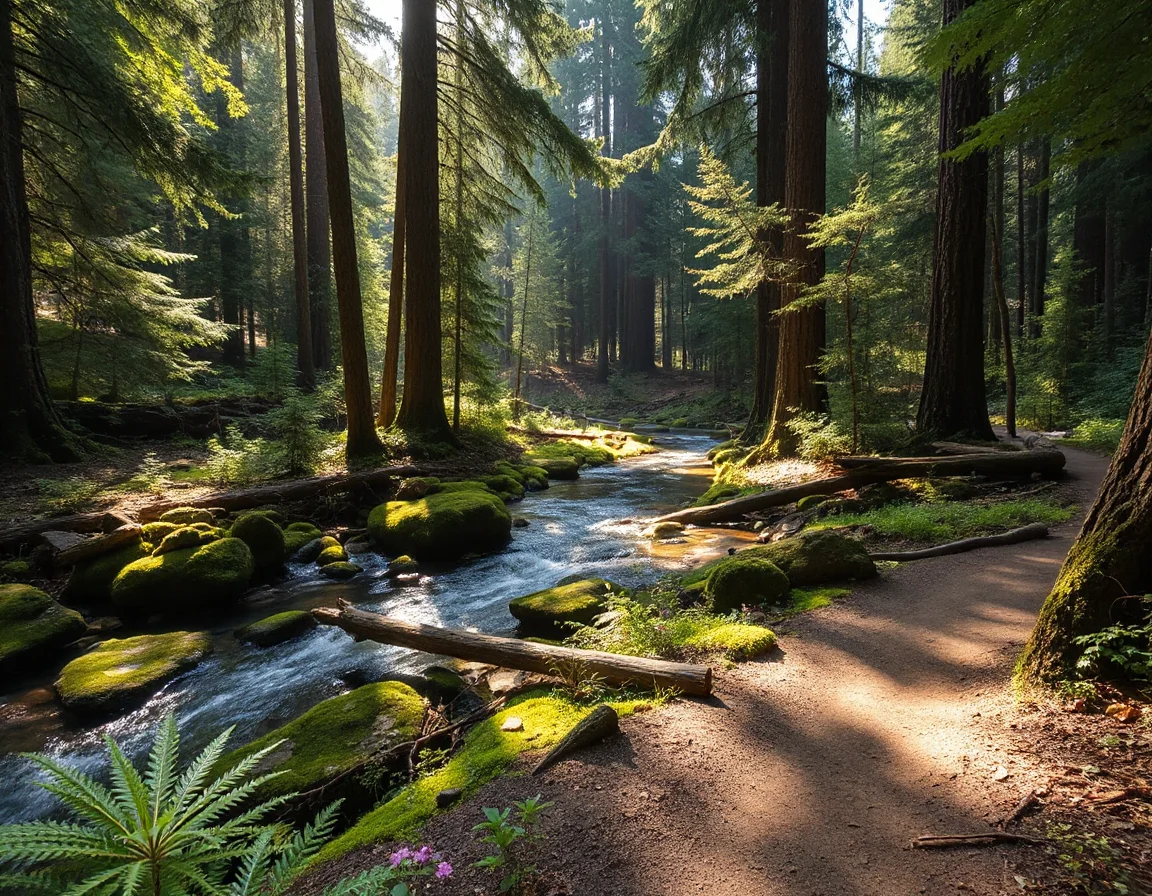
For many residents and second-home owners, the appeal is less about being close to a busy commercial corridor and more about having immediate access to the outdoors. A morning may begin with a walk beside the water, a short drive to a trailhead, or quiet time on a deck beneath mature trees. Seasonal changes are especially visible here, from dry, warm summer afternoons to snowy winter mornings and crisp autumn color along the riverbanks.
River access is an important detail to understand before purchasing. Some properties may be near the Metolius River without having direct private frontage, while others may have access through public corridors, association arrangements, or nearby recreation sites. Parcel boundaries, easements, river setbacks, and public-land access should always be verified during due diligence rather than assumed from a map or listing description.
In Camp Sherman, “near the river” can mean several different things. Confirm the exact access route, ownership boundaries, and any recorded easements before making river proximity part of a purchase decision.
The Metolius is also well known among anglers, photographers, and people who simply enjoy being near moving water. Regulations and conditions can change by season and location, so it is wise to check current Oregon Department of Fish and Wildlife guidance before planning fishing or boating activities. The river’s year-round presence adds a quiet sense of place, but it also means responsible stewardship matters—from respecting posted access points to protecting riparian vegetation.
Trails, Forest Roads, and Outdoor Access
Living in Camp Sherman places a broad network of recreation opportunities close at hand. The surrounding Deschutes National Forest offers routes for walking, hiking, cycling, wildlife viewing, and winter exploration, depending on conditions. Familiar local destinations include river-adjacent paths and routes leading toward mountain scenery, lakes, and forest clearings. Many outings can begin with a short drive rather than a long trip across the region.
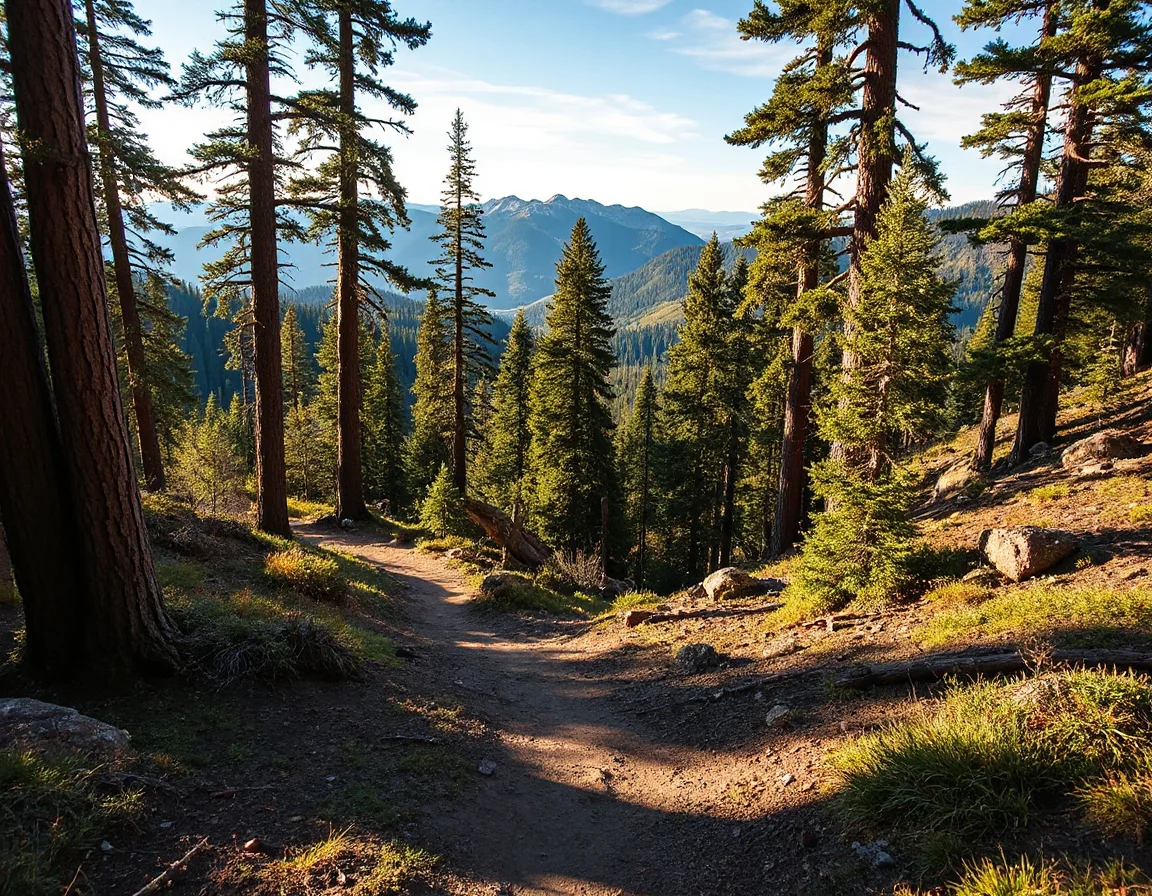
Access can vary substantially through the year. Summer brings dry roads and longer daylight for exploring, while winter weather can affect road surfaces, trail conditions, and travel times. Forest roads may have seasonal closures, maintenance needs, or changing conditions after storms. Keeping appropriate supplies in a vehicle and checking official road and recreation updates can make local travel more predictable.
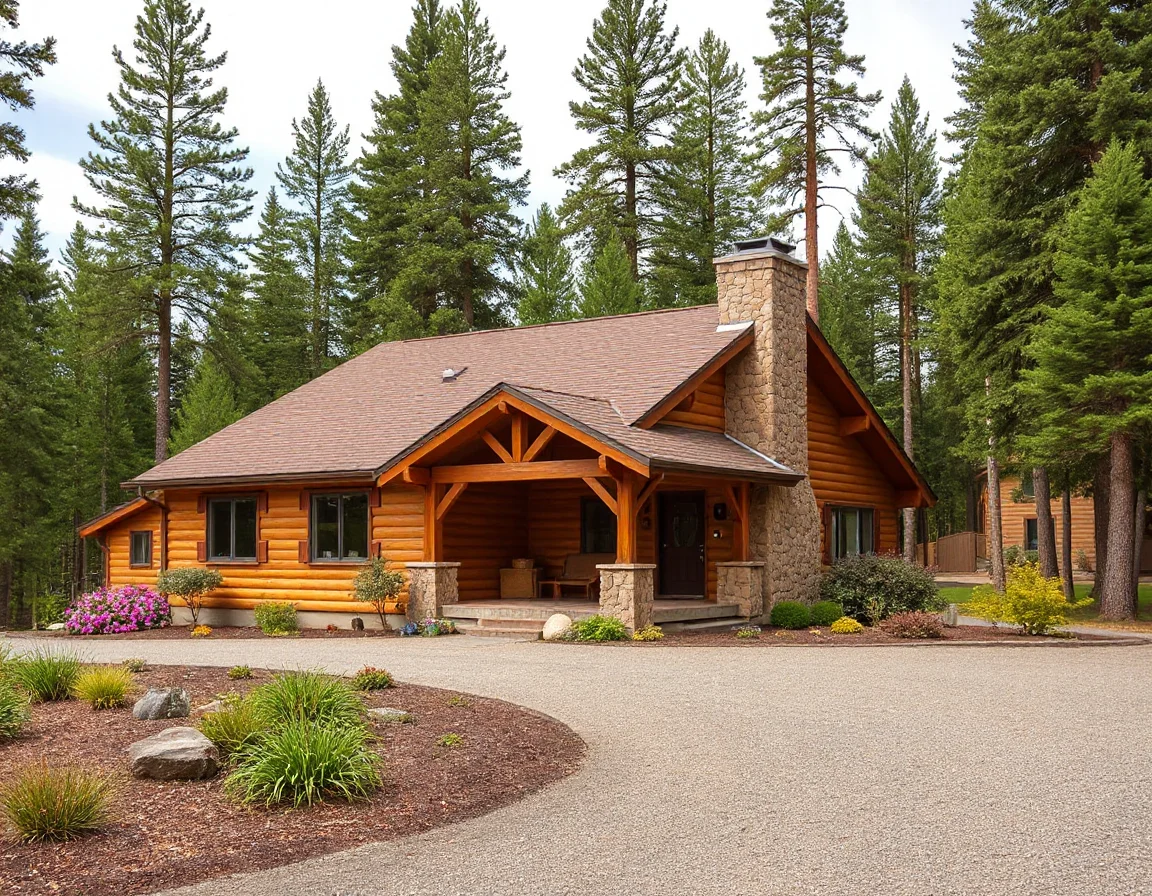
For property owners, this close relationship with the forest has practical implications as well. Pine needles, wind, snow load, drainage, defensible-space planning, and routine exterior maintenance are part of owning a home in a wooded setting. A careful inspection should consider roof condition, tree health around structures, driveway access, firewood storage, outbuildings, and the age of systems that may be more exposed to seasonal weather.
Buyers comparing homes in the area may also notice that lots differ widely. One property may offer an open clearing and broad sunlight, while another sits among dense evergreens with a more sheltered feel. These site characteristics can affect snow melt, garden potential, privacy, exterior upkeep, and natural light inside the home. There is no universal “best” setting; the useful question is how each property’s conditions align with the way you intend to use it.
Everyday Essentials: Planning Makes the Difference
Camp Sherman has essential local conveniences, but it is not designed like a larger service hub. Many residents plan errands around nearby communities, particularly Sisters, Oregon, where broader grocery, medical, dining, fuel, hardware, and professional services are available. The drive is part of the routine for many people who choose the area, and planning ahead helps make it a simple part of the week rather than an inconvenience.
This planning mindset extends to homeownership. Depending on the specific property, utilities may include private wells, septic systems, propane, electric heat, wood heat, or a combination of systems. Internet and mobile coverage can differ from one road or parcel to another, so buyers who work remotely or rely on streaming should verify available providers and real-world service quality at the property itself. A quick test during a showing can be more informative than broad coverage maps.
Insurance availability, wildfire-risk considerations, snow removal, and year-round driveway access are also conversations worth having early. These factors are not unique to Camp Sherman, but they carry added importance in forested Central Oregon locations. Reviewing seller disclosures, inspection findings, service records, county information, and insurance options can turn an appealing cabin or river-area home into a well-understood investment.
For sellers, clarity is especially valuable. Documentation for well and septic maintenance, upgrades, permits, heating systems, road agreements, and seasonal care can help prospective buyers understand how the property functions. Strong listing preparation should highlight verifiable features—such as storage, access, recent improvements, outdoor living areas, and proximity to established recreation routes—without overstating access rights or utility capabilities.
Finding the Right Fit in a Small-Market Setting
The Camp Sherman real estate market often rewards patience. Inventory can be limited, property styles are varied, and each parcel may have a different combination of river proximity, forest setting, access, utilities, and maintenance requirements. A classic cabin, a newer custom home, and a vacant parcel can each involve very different ownership considerations even when they are only a few miles apart.
When evaluating options, it helps to build a straightforward checklist. Consider the property’s road access in every season, well and septic status, internet options, heating source, storage, wildfire preparedness, property boundaries, public-land relationships, and any homeowner or road-maintenance agreements. If river access is important, distinguish between a scenic nearby location and a documented right of access. Those details can shape both daily use and long-term ownership costs.
Camp Sherman is compelling because it offers a setting that feels intentionally removed from hurried routines while remaining connected to the broader Central Oregon region. The best approach is to appreciate the landscape while doing careful, property-specific homework. With the right information, buyers can focus on the elements that matter most: a home’s condition, its access, its systems, and the everyday experience of living near the Metolius River and the surrounding forest.