
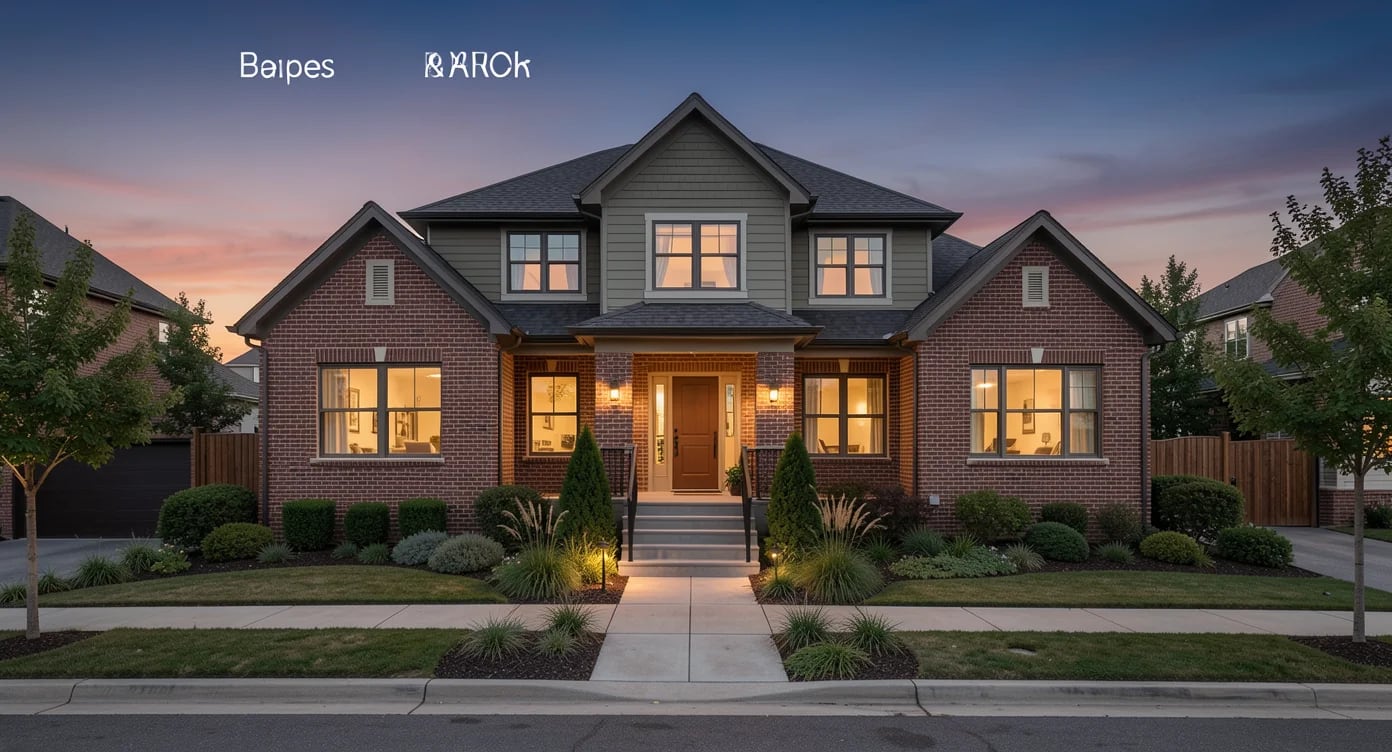
A Black Butte Ranch purchase can offer personal enjoyment as well as potential rental income, but the asking price is only the beginning of the calculation. Compare realistic revenue with the full cost of ownership, and verify rental rules before counting on income. A few thoughtful scenarios can reveal whether a property fits your goals even when bookings or expenses change.
Start With Your Definition of Return
A home among the ponderosa pines can be more than a spreadsheet entry. Some buyers value time spent at the property alongside possible rental income; others focus primarily on long-term ownership costs or future resale. Decide what matters most to you before comparing listings, because each goal leads to a different way of measuring return.
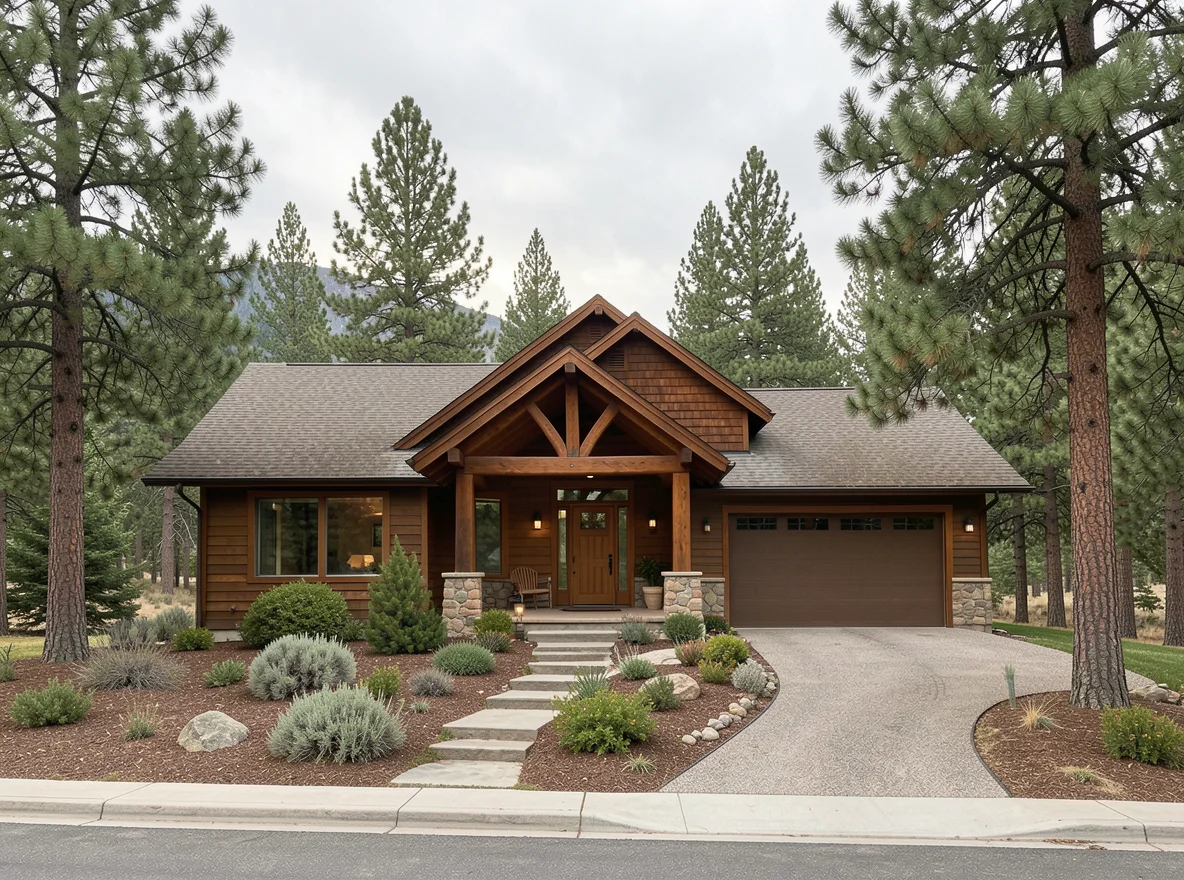
Begin with a planned holding period and a practical estimate of how often you would use the home. Personal stays have value, but they also take dates off the rental calendar. If you expect to occupy the property during popular periods, your income estimate should reflect those unavailable nights rather than assuming the home can be booked year-round.
Next, separate the benefits you can calculate from those you cannot predict. Rental revenue and documented expenses can be modeled, while future appreciation and resale timing remain uncertain. A home that meets your financial requirements without relying on a particular increase in value gives you a clearer basis for comparison.
Review competing properties on more than price alone. Layout, condition, outdoor space, and access to the amenities you value can affect both your enjoyment and a potential guest’s experience. Those features may also influence maintenance needs, so weigh their appeal against the cost of keeping them in good condition.
Search Black Butte Ranch listings
Calculate the Full Cost of Getting Started
The purchase price is the largest number, but it is not the complete investment. Add estimated closing costs, inspections, lender charges, and any immediate repairs or improvements. If you plan to rent the property furnished, include furniture, linens, kitchen supplies, equipment, and the cost of preparing it for guests.
For a financed purchase, ask your lender for a property-specific estimate of the down payment, interest rate, closing costs, and monthly payment. Loan terms may differ depending on how the home will be used. Confirm the intended use with the lender and insurer rather than assuming a second-home or rental arrangement will qualify for the same terms.
Keep a separate reserve for unexpected work after closing. An inspection may identify items to address immediately, while a contractor can help estimate future projects. Roof condition, heating systems, decks, and other exterior features deserve attention when evaluating a Central Oregon home exposed to changing seasons.
Build your initial investment around the purchase price plus closing, setup, and near-term work. A low-looking purchase price can become a different proposition once those costs are included.
Estimate Rental Income With Evidence
If rental income is part of your plan, start by confirming whether the specific property can be rented as you intend. Request current association governing documents and written information about applicable local requirements, registration, taxes, and any rental program or management rules. Verify details directly with the relevant association, local authority, and prospective manager before removing contingencies.

Ask for actual rental history when available, but treat it as a starting point rather than a promise. Check the dates covered, owner-use periods, nightly rates, occupancy, and whether reported figures are gross revenue or the amount left after fees. A change in furnishings, management, pricing, or availability can produce a different result for a new owner.
When historical records are unavailable, compare estimates for similar properties and ask a rental manager to explain the assumptions. Model booked nights and average nightly rates by season, then subtract dates reserved for personal use. Include a conservative scenario with fewer bookings and another with higher operating costs; the goal is to understand a range, not manufacture a guaranteed return.
Guest-facing expenses matter too. Cleaning, linens, supplies, booking platform charges, management fees, utilities, and repairs can materially reduce what remains. Determine whether cleaning fees or lodging taxes are collected from guests, paid by the owner, or passed through by a manager, and avoid counting the same item twice.
Turn Revenue and Expenses Into Useful Measures
For a basic operating estimate, subtract annual operating expenses from annual gross rental revenue. Include property taxes, insurance, association dues and applicable assessments, utilities, maintenance, management, and other recurring costs. Keep mortgage principal and interest separate from operating expenses so you can compare the property’s operations before financing.
Consider a simplified illustration—not a Black Butte Ranch market estimate. Suppose a purchase costs $600,000, with another $40,000 in closing and initial setup costs. If annual gross rent is $45,000 and annual operating expenses are $25,000, estimated net operating income is $20,000. Dividing that by the $640,000 total initial property cost yields an operating return of about 3.1% before financing, income taxes, future capital spending, and sale costs.
That figure is not the same as cash-on-cash return. To estimate cash-on-cash return, subtract annual debt payments and any other cash outlays from operating income, then divide the remaining annual cash flow by the cash you invested. Set aside a separate allowance for major replacements, and discuss depreciation and tax treatment with a qualified tax professional. Your after-tax result can differ substantially from either calculation.
Finally, consider the exit. A future sale may involve commissions, closing charges, loan payoff, and taxes. Run a scenario with little or no appreciation as well as one with a different sale price. Neither outcome is guaranteed, but accounting for selling costs helps you avoid mistaking a higher sale price for pure profit.
Compare the Numbers With Your Goals
Before making an offer, assemble the estimates for each property in the same format: acquisition costs, expected revenue, operating expenses, financing, reserves, and potential sale costs. Ask for documentation where possible, and identify which figures remain estimates. A side-by-side comparison makes it easier to see whether a property’s advantages justify its price and ongoing obligations.
The best-informed decision also leaves room for the reasons you wanted the property in the first place. If personal use is important, decide how much annual cost you are comfortable carrying in exchange for that enjoyment. If income is essential, test whether the numbers still work under less favorable assumptions. Ponderosa Properties, LLC can help you explore available homes and the questions to ask as you evaluate a purchase.