Camp Sherman offers a distinctive Central Oregon setting shaped by clear river water, evergreen forest, cabin architecture, and direct access to trails. Whether you are comparing a seasonal retreat, a full-time residence, or a property with room to gather outdoors, understanding the area’s access, maintenance needs, and ownership patterns can help make a confident decision.
A River Community with a Distinct Rhythm
Set along the Metolius River in Central Oregon, Camp Sherman is a small community where the landscape sets the pace. Towering conifers, volcanic terrain, crisp mountain air, and the steady movement of spring-fed water create an atmosphere that feels removed from the daily rush while remaining connected to nearby Sisters and regional services. The river is not simply a backdrop here; it is part of the area’s identity, influencing recreation, views, property layouts, and the quiet seasonal patterns that draw people back year after year.
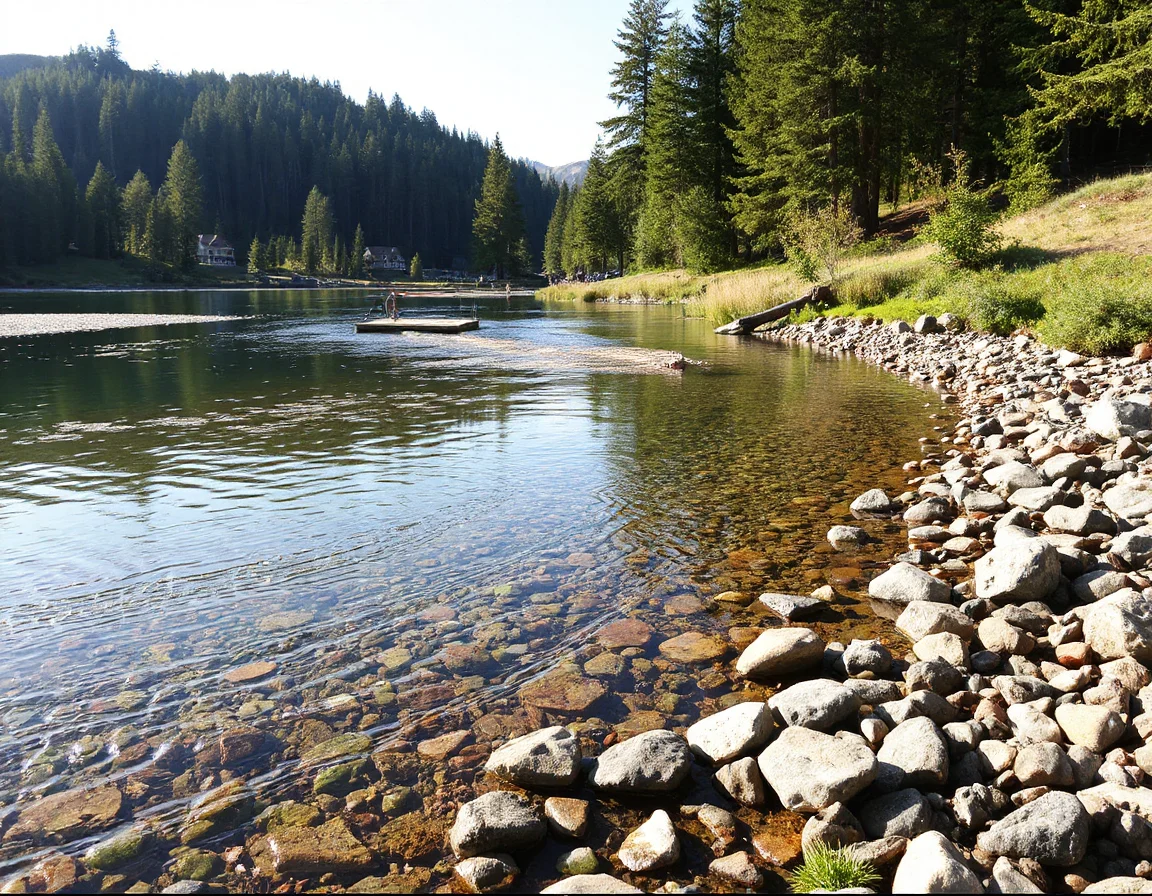
River access is one of the most appealing features to explore, but it comes in different forms. Some homes may sit close to the water, while others offer a forested setting within easy reach of public access points, trail connections, or fishing locations. When evaluating a property, it is useful to ask how access is documented, whether it is public or private, what seasonal conditions may affect use, and which rules apply to shoreline areas. These details can shape both day-to-day enjoyment and long-term property planning.
The Metolius is widely known for its exceptionally clear water and for activities such as fly fishing, wildlife viewing, and relaxed walks along the bank. Recreation in this setting often rewards an early start or a slower schedule: a quiet morning near the river, an afternoon hike, or an evening spent listening to wind move through the pines. It is a place where outdoor time can be built naturally into the routine rather than reserved for a special occasion.
In Camp Sherman, the location of river access matters as much as distance: confirm the route, ownership, permitted uses, and seasonal conditions before making it part of your property decision.
That connection to the landscape also brings practical considerations. Owners commonly plan for winter weather, forest debris, well and septic systems where applicable, road access, insurance questions, and the ongoing care of a wooded lot. A thoughtful inspection process should look beyond the cabin itself to include drainage, roof condition, heating systems, defensible-space practices, storage, and utility arrangements. The goal is not to make the setting feel complicated; it is to understand how the property works through all four seasons.
Cabin Character, Thoughtful Updates, and Ownership Details
Homes in and around Camp Sherman can range from modest vintage cabins to more recently updated residences designed for year-round use. Many properties feature the materials people associate with the region: timber siding, covered porches, stone fireplaces, picture windows, and outdoor gathering areas tucked into the trees. The best fit depends less on a single style and more on how the home supports the way you want to use it—whether that means simple weekends, extended stays, remote work, or a permanent Central Oregon address.
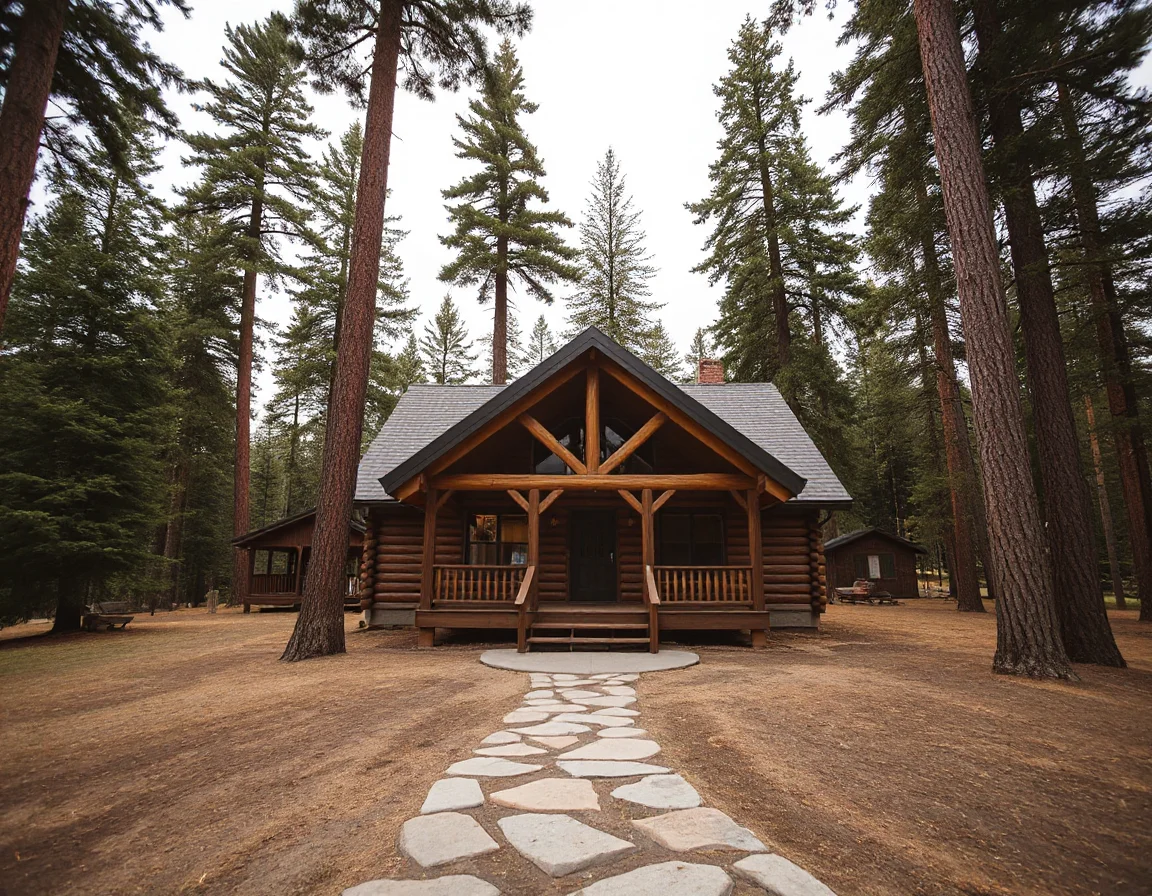
Cabin character can be wonderfully specific. One home may preserve original woodwork and a compact footprint, while another may combine a traditional exterior with an updated kitchen, improved insulation, modern windows, or flexible sleeping and work spaces. Buyers should look at the condition and age of major systems rather than relying only on visual appeal. Heating, electrical service, water supply, septic capacity, roofing, and internet availability are all important questions in a forested mountain community.
Lot configuration is equally worth studying. Mature trees provide shade and privacy, but they also call for attentive maintenance and an understanding of local fire-safety guidance. Driveway slope, snow removal, parking, outbuildings, wood storage, and access for contractors can affect how easily a property functions throughout the year. In a destination defined by its natural setting, a practical site plan often becomes one of the home’s most valuable features.
For sellers, the most useful preparation is often straightforward documentation. Records for well testing, septic service, heating maintenance, roof work, permits, and recent upgrades help buyers understand the care invested in the property. Clear information about access, furnishings that may be included, rental history if relevant, and seasonal operating costs can also make a listing easier to evaluate. A well-presented cabin should convey both its atmosphere and its operational reality.
Trailheads and Outdoor Access Beyond the River
The surrounding Deschutes National Forest gives Camp Sherman another dimension: a network of routes and recreation areas that invite exploration beyond the river corridor. Nearby trailheads provide access to forest walks, mountain viewpoints, and routes that change character with the season. Some outings can be short and close to home, while others lead toward high-country scenery, lakes, lava landscapes, and broad views of the Cascade Range.
Planning makes these outings more enjoyable. Trail conditions, weather, fire restrictions, road closures, and parking availability can shift during the year, especially around peak summer weekends and changing shoulder-season conditions. Carrying water, navigation tools, layers, and appropriate footwear is a sensible part of the experience. Respect for posted rules and natural resources helps preserve the setting that makes this part of Oregon so memorable.
- River walks: Look for public access points and observe posted fishing and shoreline regulations.
- Forest trails: Check current conditions before setting out, particularly after storms or during fire season.
- Scenic drives: Allow extra time for changing road conditions and seasonal traffic.
- Property tours: Visit at different times of day to notice sun exposure, road activity, and the feel of the surrounding forest.
Camp Sherman’s appeal is rooted in this blend of access and atmosphere. The river offers a calm focal point, cabins provide a tangible connection to the region’s history, and nearby trails make it easy to spend time outdoors. Rather than trying to fit one simple description, the area invites buyers to consider what they value most: proximity to water, a larger wooded lot, an updated home, a classic cabin, or convenient access to the surrounding landscape.
For anyone considering a move or a second home in the area, the most productive approach is to pair the emotional response to the setting with careful property due diligence. Spend time on the roads, walk the nearby access points, ask direct questions about utilities and maintenance, and compare homes based on both their condition and their location. With the right preparation, Camp Sherman can offer an enduring place to enjoy Central Oregon’s river country, forest trails, and distinctive cabin character.