
Preparing a Sisters home for winter is about protecting the details that weather notices first: the roofline, drainage, exposed wood, outdoor water connections, and entry paths. A few targeted exterior upgrades can reduce seasonal maintenance, strengthen curb appeal, and help a property present as carefully maintained when it is time to sell.
Start With the Envelope That Protects the Home
Central Oregon winters can bring cold overnight temperatures, snow, wind, and repeated freeze-and-thaw cycles. Before the first sustained cold spell, it helps to walk slowly around the exterior of the home and look at it as a complete system. Roof edges, gutters, siding, windows, vents, trim, and foundation areas all work together to move water away and keep the interior dry and comfortable.

Roof and gutter maintenance are usually the most valuable first checks. Clear needles, leaves, and debris from gutters and downspouts so melting snow has a clear route away from the structure. Make sure downspout extensions discharge away from the foundation and are positioned where runoff will not create a slippery patch near a walkway. If shingles are curling, flashing looks loose, or the roofline has visible wear, a professional inspection can clarify whether a small repair is still practical before winter weather arrives.
Pay close attention to transitions: where the roof meets a wall, where chimneys and vents pass through the roof, and where porches connect to the house. These areas often deserve more attention than broad, open surfaces. Sealing a small gap, replacing deteriorated flashing, or repairing a loose vent cover can be a relatively modest task compared with addressing moisture damage after a season of storms.
A clean gutter system is not just a seasonal chore: it helps direct snowmelt away from siding, foundations, porches, and the walking surfaces around the home.
Windows and exterior doors deserve a similarly practical review. Look for cracked caulk, worn weatherstripping, loose thresholds, and gaps around trim. Recaulking or adding new weatherstripping can improve comfort while giving the exterior a cleaner, more finished appearance. If replacement windows or doors are already part of a longer-term plan, fall is also a useful time to gather estimates and understand lead times before the busiest winter weather arrives.
Give Wood, Paint, and Outdoor Structures a Durable Finish
Sisters homes often feature wood siding, exposed beams, decks, fences, porches, and trim that complement the high-desert setting. Those materials can look especially inviting, but they benefit from consistent maintenance. Winter moisture and strong sun can both take a toll on finishes, so touch-up work before the wettest months can preserve the appearance and service life of exterior surfaces.
Begin by checking for peeling paint, faded stain, cracked boards, loose fasteners, and soft spots near deck posts or stair connections. Not every project requires a full replacement. A focused repair—such as replacing a damaged board, tightening rail hardware, resealing a handrail, or refreshing a weathered front door—can make a noticeable difference. Choose coatings and sealants designed for local temperature swings, and follow product guidance on drying conditions before beginning the work.
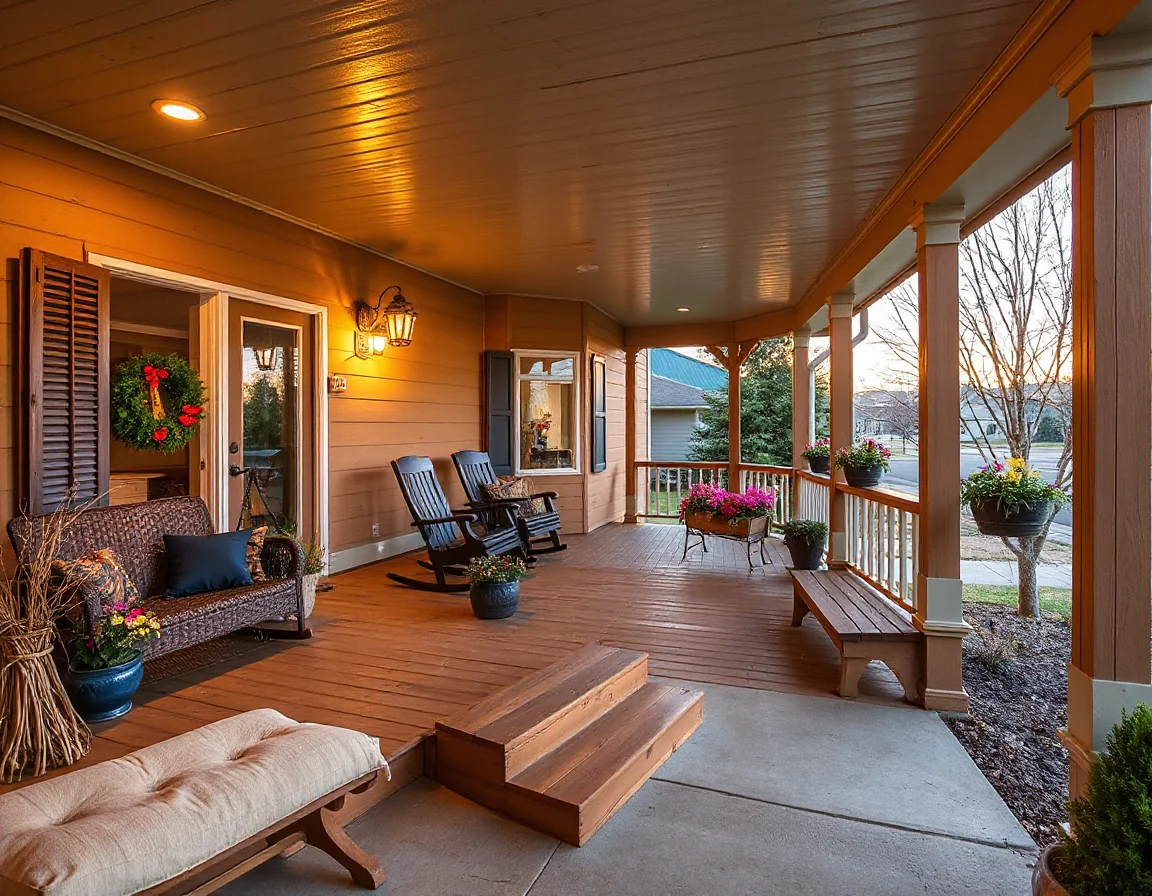
Entry areas are worth prioritizing because they combine visual impact with everyday function. A sturdy handrail, a well-secured porch light, slip-resistant steps, and a clear route from driveway to door all support a more usable exterior during darker winter days. Consider upgrading worn address numbers, a dated light fixture, or a faded doormat only after the bigger maintenance tasks are handled. Small finishing details work best when the underlying exterior is in good condition.
Outdoor lighting can be a smart upgrade, especially along pathways, at entries, and near detached garages or storage buildings. Fixtures should be aimed to illuminate the walking surface rather than shine outward toward neighboring properties. Timers, photocells, and shielded fixtures can make the system easier to use while limiting unnecessary glare. If electrical work is needed, use a qualified professional and confirm that exterior components are appropriate for local weather exposure.
For properties with decks, porches, or raised walkways, inspect drainage beneath the structure as well. Leaves and pine needles can collect in corners and hold moisture against wood. Clearing these areas, checking for adequate airflow, and making repairs before snow accumulates can help prevent small maintenance concerns from becoming more complicated in spring.
The most effective curb-appeal upgrades are often the practical ones: intact trim, reliable lighting, stable steps, and a front entry that looks cared for in every season.
Manage Water, Landscaping, and Winter Access
Water management extends beyond the roofline. Walk the perimeter after irrigation or a rain shower, if possible, and note where water pools, runs toward the foundation, or cuts channels through soil or gravel. Adjusting grading, adding drainage rock in a problem area, or extending a downspout may help direct runoff more effectively. Larger drainage concerns should be evaluated by an experienced contractor who can assess the full site rather than treating only the visible symptom.
Winterizing irrigation is another important seasonal task. Shut down and blow out irrigation systems according to the equipment manufacturer’s instructions or with assistance from an irrigation professional. Disconnect and drain garden hoses, protect exterior spigots where appropriate, and store lightweight outdoor furniture or secure it against wind. These steps help preserve equipment and leave the property looking orderly through the season.
Landscaping can support winter readiness without requiring a dramatic redesign. Trim back dead or damaged branches that could fall near structures, clear plant debris from drainage paths, and refresh gravel or mulch where bare soil is washing away. Native and climate-appropriate plantings often reduce long-term maintenance needs, but even established landscapes benefit from a careful fall cleanup. Keep vegetation away from vents, utility equipment, and exterior walls to make inspection and service access easier.
For driveways and paths, review the surface now instead of waiting for ice or snow to reveal every uneven spot. Repairing a lifted paver, filling a significant crack, or improving the transition between driveway and walkway can make winter maintenance more manageable. Keep snow-removal tools accessible, and identify where snow can be piled without blocking drainage, access points, or visibility at the street.
Choose Projects With Both Maintenance and Market Appeal in Mind
If a move or sale may be on the horizon, exterior work should be organized around condition, function, and presentation. Buyers commonly notice deferred maintenance quickly: clogged gutters, loose trim, worn paint, damaged steps, and neglected landscaping can distract from a home’s strengths. Addressing those visible items before winter photographs or showings can help the property feel more thoughtfully maintained without relying on cosmetic changes alone.
Keep records of larger improvements, including roofing work, exterior painting, drainage repairs, window replacement, deck updates, and professional winterization. Receipts, warranties, contractor information, and before-and-after photos can be useful references for future maintenance and for communicating the home’s care history. The goal is not to over-improve every feature; it is to make informed choices that protect the property and support a polished overall impression.
A practical pre-winter checklist gives homeowners time to schedule qualified help, complete weather-sensitive projects, and enjoy the season with fewer exterior worries. Whether the priority is preserving a long-term home or preparing a Sisters property for the market, start with the systems that keep water out, pathways usable, and exterior materials in strong condition.
Talk with Ponderosa Properties about preparing your home for the market