
A home purchase in Sisters is more than a comparison of asking prices. Long-term value comes from matching a property’s condition, location, carrying costs, and flexibility to your plans—then leaving room in the budget for maintenance and change. A clear side-by-side review can make the decision feel less like a guess and more like a durable investment in your next chapter.
Start with the Full Cost of Ownership
When comparing homes in Sisters, Oregon, the list price is an important starting point, but it is only one part of the long-term equation. Two properties with similar prices can produce very different ownership experiences over five, 10, or 20 years. A newer home may have lower immediate repair needs, while an older property may offer a distinctive setting or layout that supports future improvements. The goal is not to find a universally “better” house; it is to identify the option whose costs, features, and possibilities fit your own timeline.
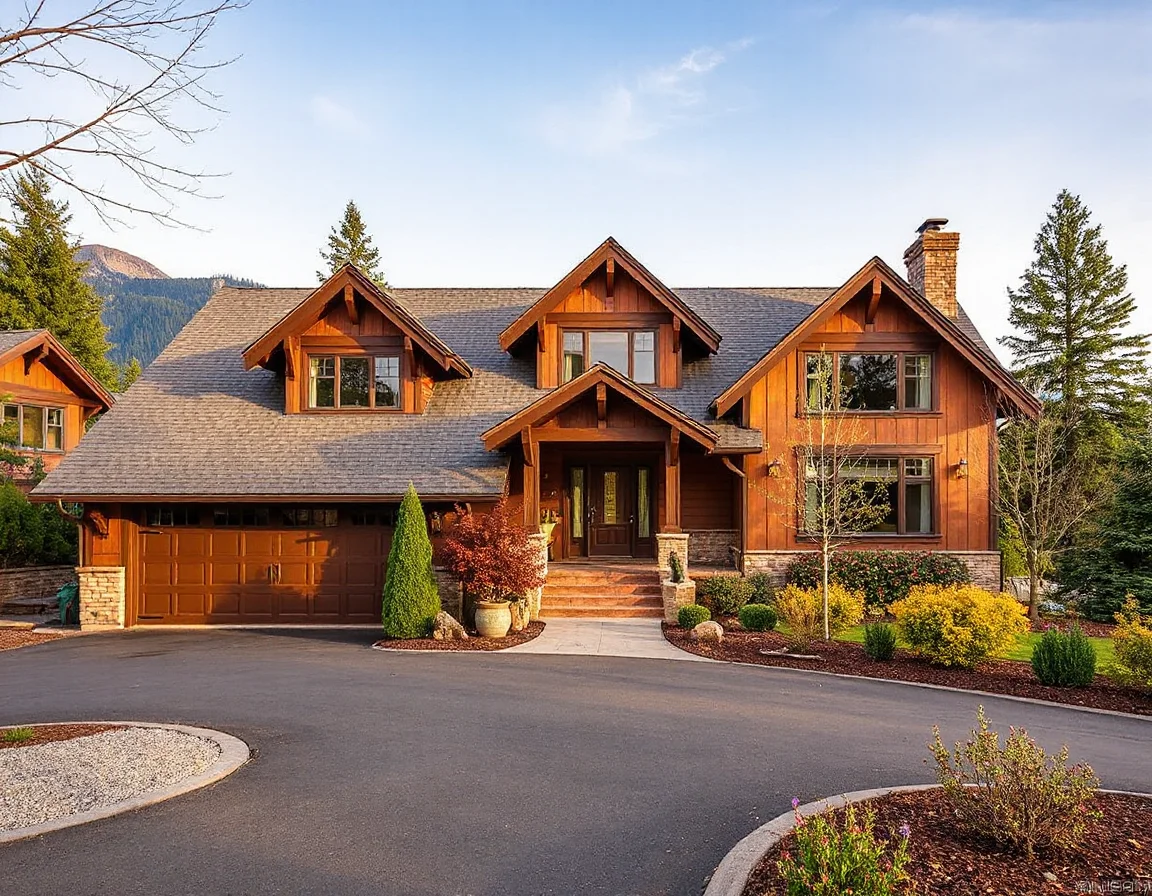
Begin by estimating the complete monthly picture: principal and interest, property taxes, insurance, utilities, and any homeowners association dues. Then add a realistic maintenance reserve. Roofs, exterior paint, heating systems, wells, septic systems, decks, driveways, and landscaping all have useful lives, and their timing can affect the practical cost of a home. Request available records, review seller disclosures carefully, and use inspections to understand not only what needs attention now but what may need attention later.
In a high-desert climate, details such as insulation, window condition, heating efficiency, drainage, defensible-space maintenance, and the durability of exterior materials deserve close attention. A home that performs well through changing seasons can offer greater predictability in both comfort and operating expenses. For rural or edge-of-town properties, it is also wise to confirm road access, snow-removal arrangements, water sources, septic maintenance history, and internet options before making a final comparison.
A lower purchase price can lose its advantage quickly when major systems need near-term replacement. Put anticipated repairs and improvements into the same spreadsheet as the monthly payment before deciding which home offers stronger value.
Long-term value also includes the work you are willing and able to take on. Some buyers welcome a renovation project and see potential in an older kitchen, unfinished space, or landscaping that needs a fresh plan. Others may place more value on a move-in-ready property with documented updates. Neither approach is inherently right; the key is assigning a realistic budget and schedule to the work rather than assuming every project will be simple or inexpensive.
Compare Location Through Everyday Use
Sisters offers a setting shaped by mountain views, open skies, local gathering places, outdoor recreation, and access to Central Oregon destinations. As you compare properties, think beyond a map pin and consider how each location functions on an ordinary weekday as well as a weekend. Distance to services, road conditions, nearby trails, access to Highway 20, and the amount of upkeep associated with the site can all influence how a home feels over time.
A property close to the town center may offer convenient access to dining, community events, galleries, parks, and everyday errands. A more private setting may provide additional land, a quieter visual environment, or room for outdoor projects, while often requiring more attention to access and maintenance. These are lifestyle and logistical tradeoffs, not a simple ranking. The most valuable location is generally the one that supports the routines you expect to have now and the routines you may have later.
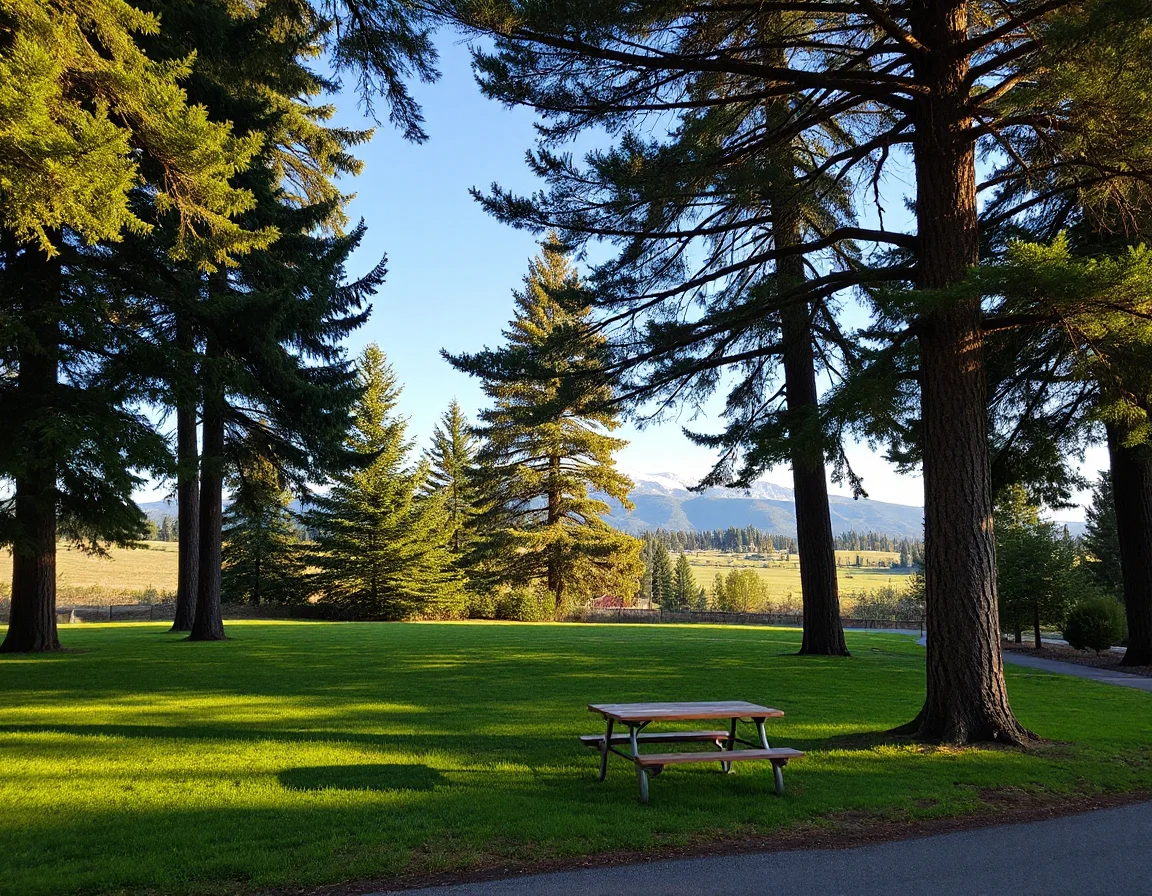
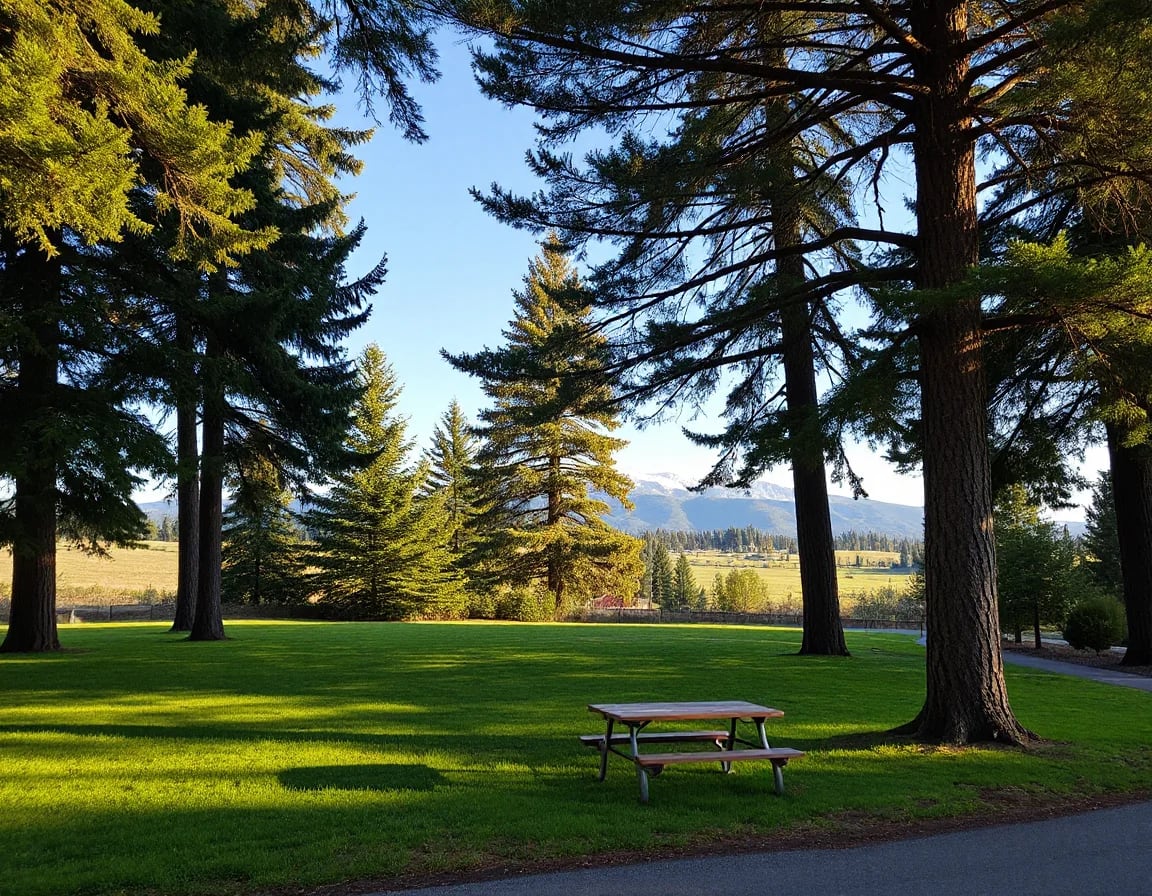
Look closely at the parcel itself. Sun exposure can matter for winter comfort, garden plans, snow and ice conditions, and outdoor living areas. Topography may affect drainage, driveway use, and future site work. Mature trees and natural landscaping can add atmosphere, but they also call for ongoing care. If a property borders open space or has views, understand what is documented about easements, setbacks, and nearby land use rather than relying on assumptions.
It can be useful to visit a shortlisted home more than once. Observe traffic patterns, light, wind, sounds, and the route to places you expect to visit regularly. A second visit often reveals practical details that are easy to miss during an initial showing. This kind of due diligence helps you compare properties based on lived experience instead of first impressions alone.
Look for Flexibility, Not Just Square Footage
A home’s future usefulness can be one of its most durable forms of value. Instead of focusing only on the total square footage, consider how the rooms work together. A dedicated office, adaptable bonus room, accessible main-level living area, generous storage, workshop space, or a garage suited to equipment and hobbies may affect how long a property continues to meet your needs. Functional layouts often remain appealing because they accommodate changing routines without requiring an immediate remodel.
Outdoor space deserves the same careful review. Consider whether there is usable room for gardening, entertaining, recreation, storage, or simply enjoying the Central Oregon landscape. Confirm local rules and property-specific restrictions before counting on an addition, accessory structure, fence, or other future project. If a home is in a planned community, read the governing documents and budget materials to understand dues, maintenance responsibilities, architectural review processes, and reserve planning.
Resale is worth considering, but it should not overshadow your own daily use of the property. Features with broad practical appeal—well-maintained systems, efficient storage, inviting outdoor areas, a coherent floor plan, and evidence of conscientious care—can be easier for future buyers to evaluate. Highly specialized upgrades may still be worthwhile if they serve your goals, but it helps to distinguish between a personal preference and an improvement likely to have wide appeal.
Use a Decision Framework That Can Withstand the Market
Market conditions change, and no one can promise a future sale price. What you can control is the quality of your purchase process. Compare recent sales with the help of a local real estate professional, but also compare each home’s condition, lot characteristics, ownership costs, and expected improvement needs. A well-supported offer reflects more than competition; it reflects a thoughtful understanding of the property in front of you.
Consider making a simple scorecard for your final choices. Include purchase price, estimated monthly cost, immediate repairs, five-year maintenance outlook, location factors, layout flexibility, outdoor usability, and the features you value most. Give each category a weight based on your priorities. The exercise does not replace judgment, but it can expose where an attractive feature is masking a costly compromise—or where a slightly higher price brings meaningful long-term benefits.
Buying in Sisters can be an opportunity to choose a home connected to the character and recreation of Central Oregon while keeping a clear eye on practical ownership. Take time to inspect, compare, ask questions, and plan beyond closing day. The strongest long-term purchase is usually the one that gives you confidence in both the numbers and the way the property supports your life over the years ahead.