
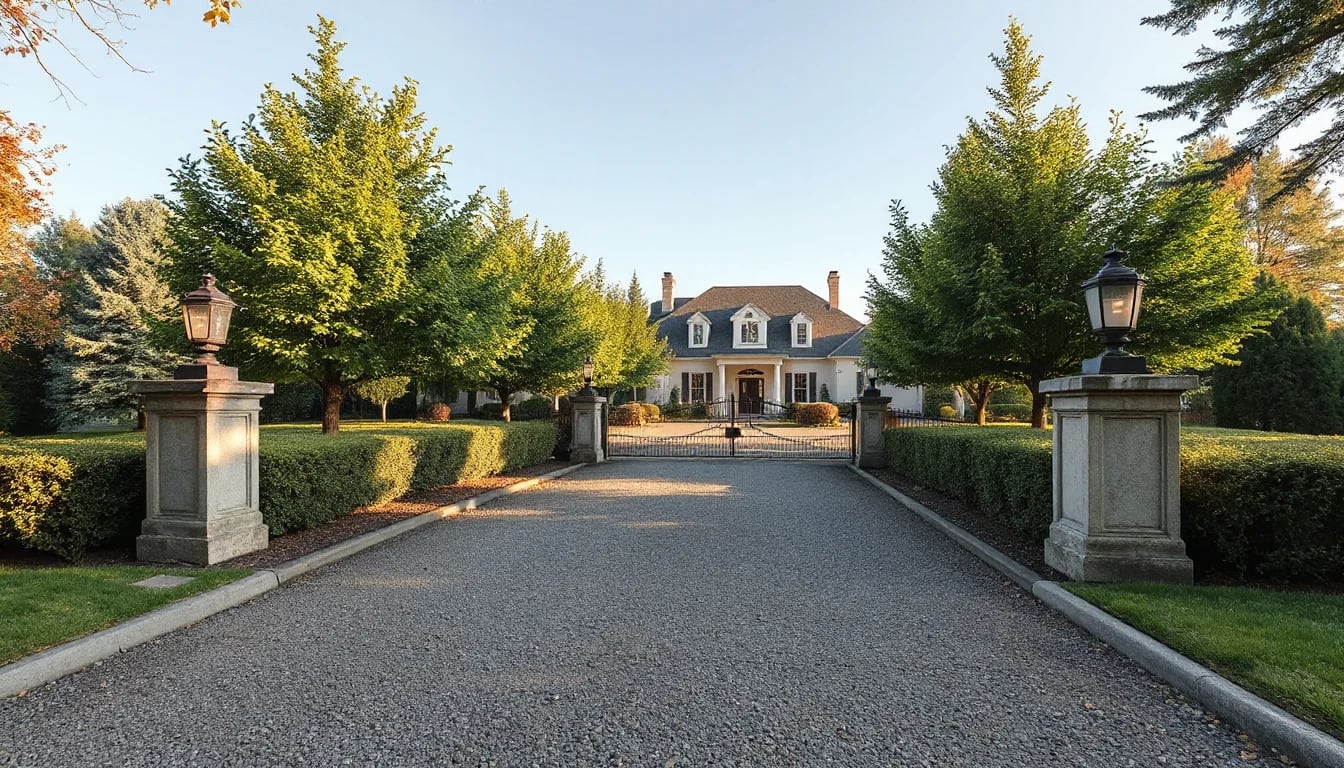
Buying a first home in Sisters is easier to approach when it is broken into clear decisions: budget, financing, property priorities, inspections, and closing. The goal is not to rush toward an offer; it is to understand each step well enough to make choices that fit your plans, your timeline, and the realities of Central Oregon housing.
Start With a Clear Financial Picture
Before touring homes, take time to define what a comfortable purchase looks like. A home budget is more than a list price: it includes the down payment, monthly principal and interest, property taxes, homeowners insurance, possible HOA dues, utility costs, and a reserve for maintenance. In Sisters, buyers may see a broad mix of property types and price points, from in-town homes to properties with more land, so comparing the total monthly cost can be more useful than focusing on a single advertised number.
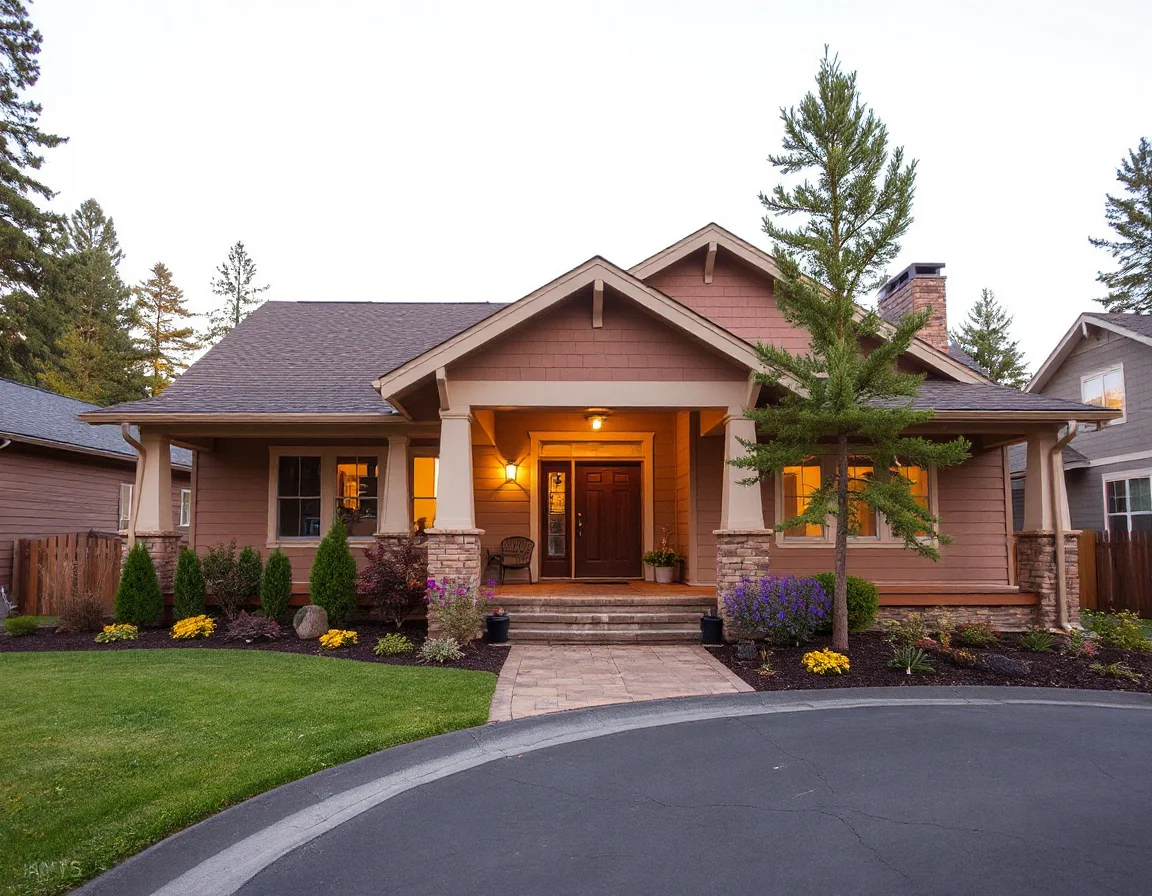
A lender pre-approval is often the practical first milestone. It helps estimate a purchase range based on income, assets, debts, credit history, and loan guidelines. Buyers can compare loan options, ask how changing a down payment affects the payment, and learn what documentation will be needed later. Pre-approval is not a promise that every home will qualify, but it gives your search a useful framework and shows sellers that your financing has been reviewed.
It is also wise to preserve flexibility. Keep a separate cushion for earnest money, inspection costs, an appraisal, moving expenses, and the projects that can appear after move-in. A newly built home and an older home may require different maintenance planning, while a property with acreage can bring additional considerations such as well, septic, fencing, access, or seasonal upkeep. Thinking through those costs early keeps the search focused on homes that feel sustainable after closing day.
A pre-approval amount is a ceiling, not a required target. Setting a personal payment range before touring can make offer decisions much clearer.
Mortgage rates and lending programs change, so ask prospective lenders to explain their assumptions in writing. Compare interest rate, annual percentage rate, estimated closing costs, loan terms, and any points or credits. The best option is not automatically the lowest advertised rate; it is the loan structure that makes sense for your funds, plans, and expected time in the home.
Learn how to choose a mortgage lender
Turn Your Wish List Into Search Priorities
Once the financial range is defined, make a short list of non-negotiables and a separate list of preferences. Bedrooms, bathrooms, lot size, garage space, outdoor areas, storage, condition, and proximity to everyday destinations can all shape the search. The most effective lists are specific without being rigid: identify what the home must provide now, then consider which features can be added or adjusted over time.

Sisters offers distinct settings to compare, including homes near the walkable town core, established residential streets, planned communities, and properties in the surrounding high-desert landscape. During showings, look beyond the finishes that photograph well. Notice natural light, room flow, storage, parking, road access, drainage, roof condition, heating and cooling systems, and the amount of ongoing care the property may need. A home that fits your routine can be more valuable than one with the longest feature list.
Explore at different times when possible. Morning, afternoon, and early evening visits can reveal changing light, traffic patterns, wind exposure, and the general rhythm of the area. For rural or edge-of-town properties, ask practical questions about snow removal, internet availability, emergency access, water source, septic systems, easements, and wildfire-related maintenance. These are not reasons to avoid a property; they are details that help you understand ownership clearly.
Keep notes after every showing. A simple scorecard can track condition, location, layout, likely repairs, and how each home compares to your priorities. This reduces the tendency to blend properties together after a busy day of touring and makes it easier to revisit a strong contender with a more focused eye.
Make an Offer With Room for Due Diligence
When you find a home that fits, an offer is more than a price. It typically includes financing details, earnest money, a proposed closing date, contingencies, and requests that may be relevant to the property. Your real estate professional can explain local contract practices and help you decide how to structure terms that are competitive while still protecting your ability to investigate the home.
Contingencies are important checkpoints. A financing contingency addresses your ability to obtain the agreed loan, while an appraisal contingency relates to the lender’s value review. Inspection-related provisions create an opportunity to evaluate the home’s condition. The exact language, deadlines, and options should be discussed carefully before signing, because they are contractual commitments with real timing requirements.
Inspection periods move quickly. Schedule qualified inspectors as soon as the contract is accepted so there is time to review reports, gather estimates, and make decisions before deadlines.
A general home inspection is a strong starting point, but it may not answer every question. Depending on the home, buyers may consider specialists for roofing, septic, wells, radon, pests, structural concerns, fireplaces, heating systems, or other features. Inspection reports are educational tools: they often identify maintenance items along with more urgent concerns. Review them in context, ask questions, and prioritize issues according to safety, function, lifespan, and likely cost.
From Appraisal to Closing Day
After an accepted offer, the transaction enters a detailed coordination phase. Your lender orders the appraisal, processes documents, and verifies information needed for underwriting. The title company researches ownership history and prepares closing materials. You may also receive disclosures, insurance requirements, repair receipts, HOA documents when applicable, and other records to review. Prompt responses can help keep the closing schedule on track.

Homeowners insurance should be addressed early rather than saved for the final week. Insurers may need information about the roof, heating source, location, prior claims, or mitigation features before issuing a policy. For homes in Central Oregon, it can also be useful to ask about coverage details related to the property’s setting and to understand any insurer recommendations for maintenance or risk reduction.
Shortly before closing, you will complete a final walkthrough. This is not a second inspection; it is a chance to verify that the home is in the expected condition, agreed-upon items remain, and any negotiated work has been completed as documented. At closing, review your settlement statement, loan documents, and final costs carefully. Ask for clarification whenever something is unfamiliar.
First-time home buying in Sisters is a sequence of manageable steps, not a test you need to pass all at once. With realistic budgeting, patient property comparisons, careful due diligence, and a team that explains the process plainly, you can move from early research to a confident closing with a much clearer view of what homeownership will involve.