

Pricing a home in Sisters is more than choosing a number that feels right—it is a strategy built around current competition, property condition, location details, and the way buyers compare options online. A thoughtful price can create early attention, support stronger negotiations, and help a sale move forward with fewer surprises. The goal is not simply to list high or low; it is to position the home clearly in today’s market.
Start With the Market Buyers Can See Today
When preparing to sell in Sisters, Oregon, it is tempting to begin with the price paid for a nearby home months ago or with a memorable headline about the regional market. Those details can be useful context, but active buyers make decisions based on what is available now. They compare new listings, pending sales, recent closed transactions, condition, acreage, views, access, and the monthly cost of ownership. A pricing plan should begin with that current comparison set.
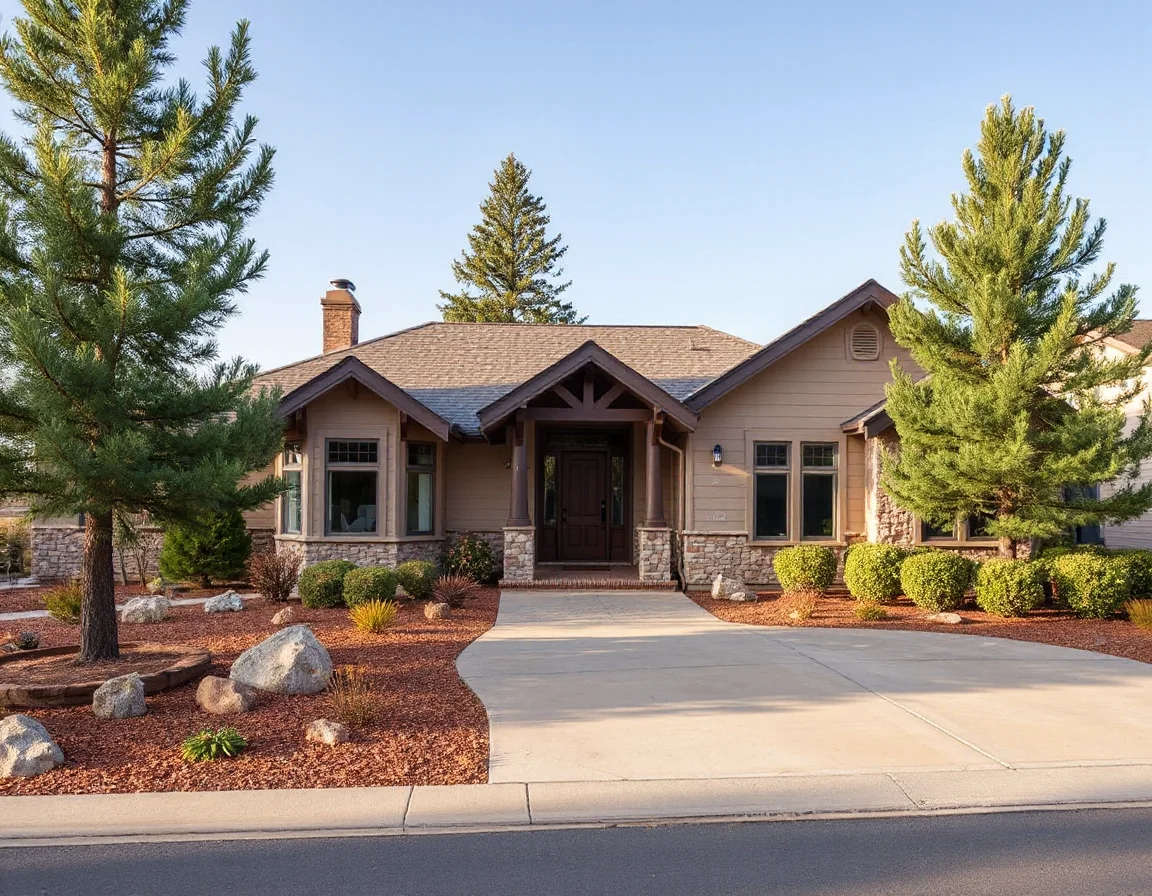
Recent closed sales show where buyers and appraisers have actually agreed on value, while pending listings can reveal where the market is moving. Active listings matter too, because they are the alternatives a buyer may tour on the same weekend. If several comparable homes are sitting without activity, that can signal that buyers are finding better value elsewhere or that those properties need a different presentation and price position.
In and around Sisters, even homes with similar square footage can belong in different price conversations. A property close to town may be evaluated differently from a home on a larger parcel outside town. Features such as mountain views, a detached shop, newer systems, outdoor living areas, road access, landscaping, or a carefully maintained interior can influence how a listing compares. The key is to identify which features are supported by nearby sales rather than assuming every improvement returns its full cost at resale.
The first few weeks on market are often the clearest opportunity to reach buyers who have saved searches and are actively watching for new Sisters listings. A well-supported launch price helps the property enter those searches with a compelling comparison story.
Seasonality is another practical consideration. Sisters attracts attention throughout the year, but weather, school calendars, travel patterns, and inventory levels can change showing activity. A listing introduced during a quieter period may benefit from less competition, while a busier period can bring more buyer traffic along with more choices. Neither situation automatically dictates the price; it simply changes the competition your home needs to outperform.
Price the Property, Not the Wish List
A strong list price is a market position, not a test of the highest possible number. Overpricing can sound like a safe way to “leave room,” but it can also reduce the number of buyers who see the home in their search results. Many buyers set firm online price filters. A home listed just above a common threshold may miss people who would have considered it at a slightly different number.
There is also a timing cost to consider. Fresh listings tend to receive the most attention because buyers and real estate professionals are looking for what is new. If a property launches above its competitive range and later needs a price reduction, some buyers may wonder why it has been on the market longer than comparable options. That does not mean a price adjustment is a failure; it means the initial pricing decision deserves careful preparation.
Instead of asking, “What is the most we can ask?” consider a more useful question: “What price makes the home’s value easiest to understand?” The answer comes from a detailed comparative market analysis, not an automated estimate alone. Online valuation tools can be a starting point, but they may not recognize a remodel’s quality, an unusual lot, local access considerations, or the differences between nearby micro-locations.
A practical analysis usually reviews sold homes, active competition, pending sales where available, days on market, list-to-sale patterns, and features buyers are currently rewarding. It should also account for the home’s condition honestly. If a competing property has a newer roof, updated kitchen, or more polished outdoor setting, a seller may need to address those differences through preparation, pricing, or both.
Prepare Before You Put a Number on It
Pricing and presentation work together. A clean, well-prepared home can support a stronger first impression because buyers are better able to focus on layout, light, storage, and property features. Before the listing goes live, walk through the home with a critical eye. Deferred maintenance, cluttered rooms, worn exterior details, and dark photography can make a home feel less competitive even when its size and location are appealing.
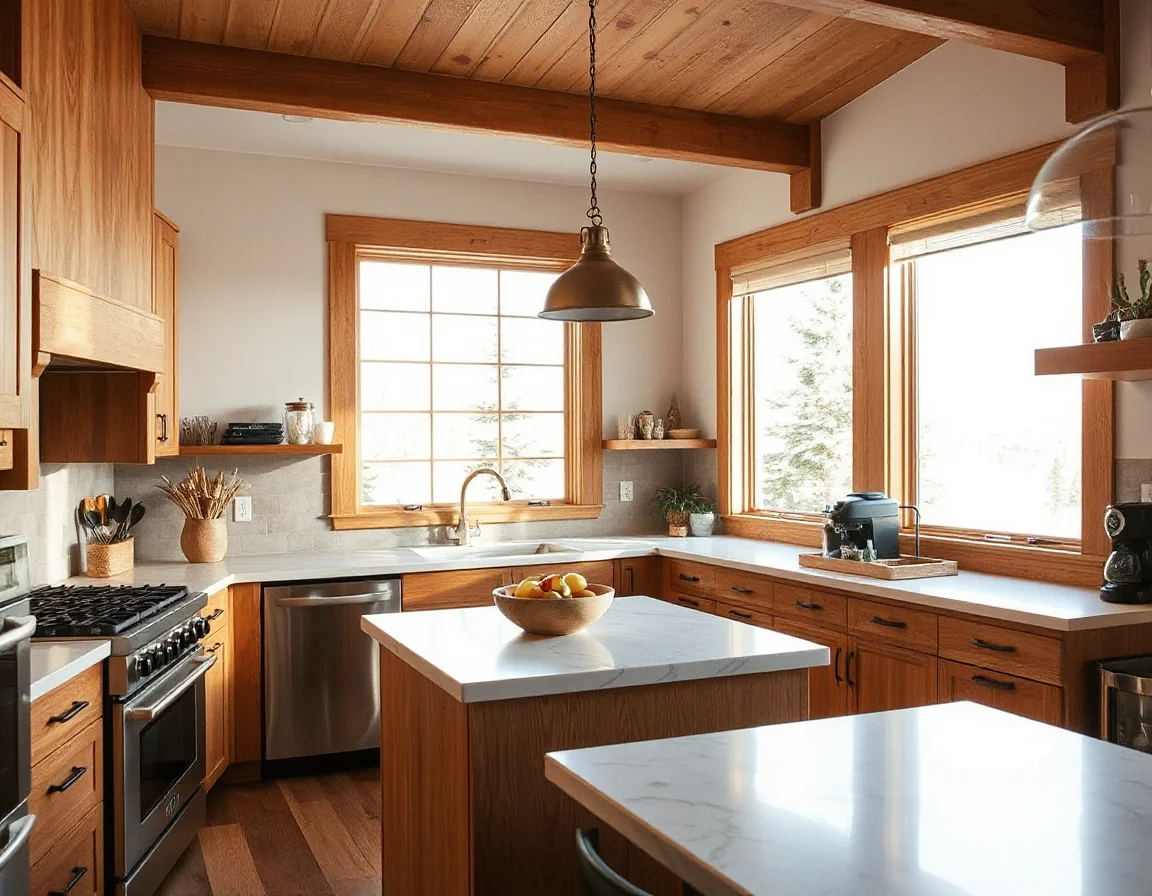
Focus first on repairs that remove questions. Address obvious leaks, damaged trim, sticking doors, nonfunctioning fixtures, or items likely to distract during a showing. Then focus on visibility: clear counters, open window coverings, tidy entry areas, and simplified furnishings help photographs and in-person tours communicate the home’s usable space. Professional photography should highlight accurate features rather than create expectations the property cannot meet.
For properties with acreage, outbuildings, or substantial outdoor space, sellers should also prepare the exterior story. Organize storage areas, make pathways easy to understand, and identify practical features such as irrigation, fencing, parking, utility access, or maintenance records. Buyers often appreciate clear information about how the property functions, especially when a home offers more than a standard in-town lot.
Small preparation projects rarely replace a sound pricing strategy, but they can reduce buyer uncertainty. The easier a home is to evaluate, the easier it is for an interested buyer to make a confident offer.
It can be helpful to decide in advance which improvements are worth completing and which are best reflected in the price. A major renovation immediately before listing is not always necessary. In some cases, a seller is better served by completing targeted repairs, presenting the home well, and pricing transparently for its current condition. The right approach depends on budget, timing, and the competing inventory available at launch.
Use Feedback to Stay Responsive
Once the home is listed, feedback becomes useful market information. Showing comments, online engagement, repeat visits, and the questions buyers ask can indicate whether the listing is reaching the right audience and whether its price is aligned with what they are seeing. One opinion is only one opinion, but repeated themes deserve attention.
If tours are happening but offers are not, buyers may be responding positively to the location or layout while finding another option more compelling on value or condition. If there are few showings, the issue may be visibility, photography, marketing reach, price, or a combination of factors. A seller does not need to react to every comment, but should review the evidence regularly and make decisions based on patterns rather than frustration.
Pricing also matters after an offer arrives. A well-documented value story can help support appraisal discussions and negotiations. Keep receipts, permits when applicable, service records, and a concise list of meaningful updates available. These materials do not guarantee a particular value, but they provide useful context for the people evaluating the property.
Every Sisters home has its own mix of features, timing considerations, and competition. The most effective pricing plan is grounded in local evidence, paired with careful preparation, and reviewed with an open mind once the listing is live. With a clear strategy from the start, sellers can present their property confidently and make informed adjustments if the market asks for them.