

Second-home demand in Sisters is shaped by more than a beautiful view: seasonal access, maintenance planning, rental rules, insurance, and realistic ownership costs all matter. A clear plan helps buyers compare properties with confidence and helps sellers present a second home’s practical strengths without overlooking important details.
Why Sisters Draws Attention From Second-Home Buyers
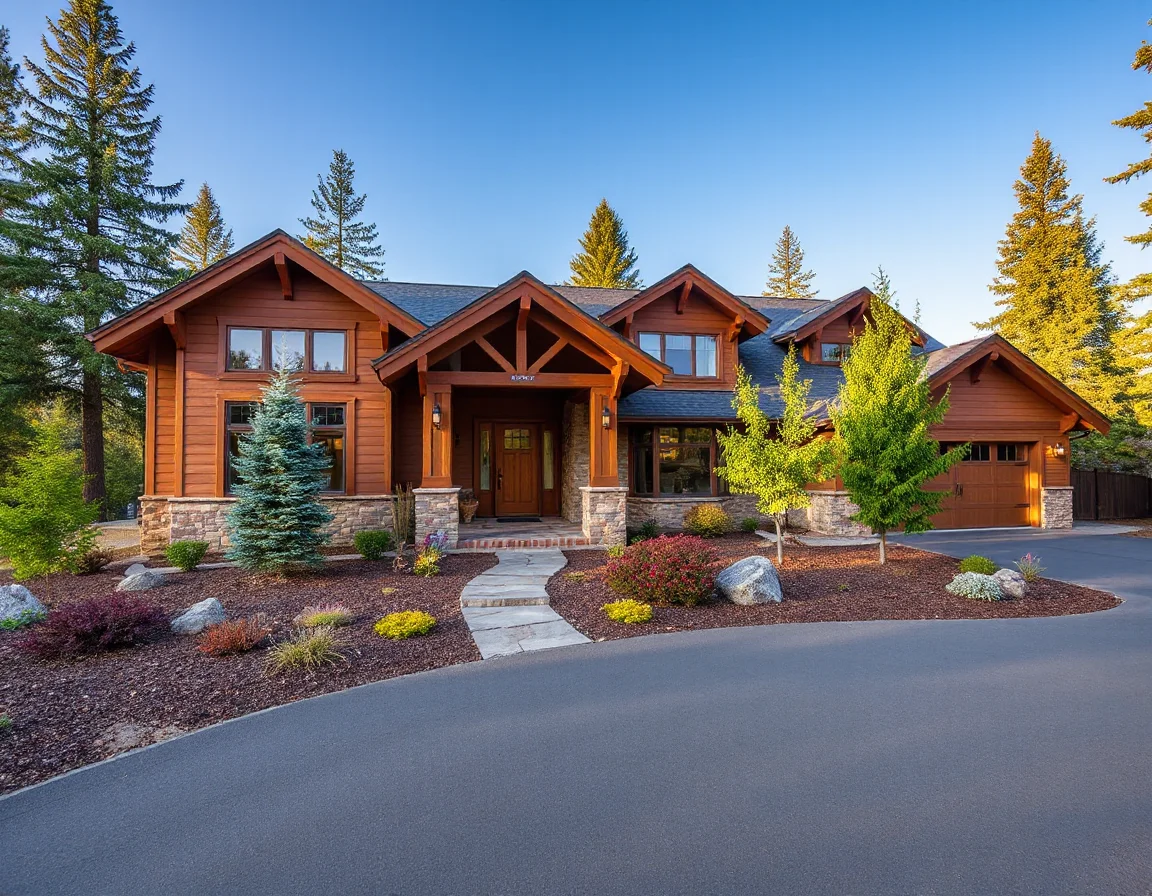
Sisters offers a distinctive Central Oregon setting where western-style architecture, high-desert light, nearby forestland, and views toward the Cascade range create a strong sense of place. For people considering a second home, the appeal often starts with access to outdoor recreation and a compact town center, then becomes more practical: how often the property will be used, how it will be cared for between visits, and what ownership looks like through every season.

Demand for a retreat property can look different from demand for a primary residence. A buyer may value a lock-and-leave townhome, a cabin with room for gear, a home close to trails, or a larger parcel that offers privacy and landscape views. These preferences influence which homes receive the most attention, but they do not eliminate the need to review condition, access, utilities, and local requirements carefully.
Seasonality is part of the Sisters real estate conversation. Summer events and dry-weather recreation can increase visitor activity, while winter weather brings a different set of ownership considerations. Snow removal, freeze protection, roof inspections, driveway access, and a dependable local maintenance plan may all affect the day-to-day experience of owning a property that is not occupied year-round.
A second home is easiest to enjoy when its operating plan is as clear as its floor plan: identify maintenance contacts, seasonal service needs, and estimated carrying costs before making an offer.
For sellers, this means the strongest presentation is both inviting and specific. Organized records for recent repairs, heating systems, landscaping, septic service where applicable, road maintenance, and utility history can help prospective buyers understand how the property has been cared for. Clear documentation is especially valuable when a buyer is comparing several homes from outside the area.
Match the Property Type to the Ownership Plan
Before narrowing a search, it helps to define how the property will be used. Some buyers expect frequent long weekends; others plan longer stays around hiking, cycling, skiing, fishing, or quiet time away from a busier home base. That intended use can guide decisions about location, layout, storage, parking, outdoor space, and the level of maintenance a buyer wants to manage.
- Condominiums and townhomes may provide a more structured maintenance arrangement, though buyers should review dues, reserve information, rules, and insurance responsibilities.
- In-town homes can offer convenient access to local services, gathering spaces, and everyday errands, while still requiring a clear plan for vacant periods.
- Homes on larger lots may offer more space and a stronger connection to the landscape, with added considerations for landscaping, wildfire preparedness, wells, septic systems, and private-road obligations.
- Resort-area properties can have separate association standards, amenity structures, guest policies, and use restrictions that should be understood before committing.
There is no universally “right” second-home format. A low-maintenance property may suit one ownership plan, while another buyer may prioritize a workshop, garage, covered parking, or room for outdoor equipment. The important step is to compare the home’s physical features with the practical time and budget available for upkeep.
Look Beyond the Purchase Price
A confident second-home decision includes a full carrying-cost review. Along with the purchase price and financing terms, buyers may want to estimate property taxes, insurance, utilities, association dues, landscape care, snow removal, pest prevention, repair reserves, and travel-related costs. A home that appears comparable on a listing sheet may operate quite differently over a full year.
Insurance deserves early attention, particularly in a region where weather, wildfire exposure, roof age, building materials, and vacant periods may affect availability or cost. Speaking with an insurance professional before removing contingencies can help clarify coverage options and documentation requirements. Buyers should also ask whether a policy has special conditions for intermittent occupancy, short-term use, detached structures, or recreational equipment.
For properties outside municipal utility service, inspections and records become even more important. Well production, water quality, septic capacity, pumping history, drainage, and road access are not small details; they are core elements of ownership. A thorough inspection period gives buyers time to evaluate these items with qualified local professionals rather than relying on assumptions.
Connectivity is another practical factor. If a buyer expects to work remotely during visits, monitor a security system, stream entertainment, or coordinate vendors, available internet and cellular service should be verified at the property itself. Service can vary by location, terrain, provider, and building construction, so an on-site check is more useful than a general coverage map.
When comparing homes, create one annual-cost worksheet for every property. The side-by-side view often reveals differences that are not visible in listing photos or square footage.
Understand Rental, Association, and Land-Use Questions Early
Some second-home buyers consider renting a property when they are not using it. That possibility should be evaluated carefully and early, not treated as an automatic feature of ownership. Local regulations, permit requirements, association documents, zoning, insurance terms, lending conditions, and tax obligations can all affect whether and how a property may be rented.
Association-managed communities may establish rules for rental duration, guest registration, parking, noise, exterior changes, and amenity access. Those rules can change over time, so buyers should review current governing documents, budgets, meeting notes, and resale disclosures. If rental income is an important part of the financial plan, confirm the relevant requirements directly with the appropriate governing authority and qualified advisors.
Sellers can reduce uncertainty by making useful property information easy to review. That may include association documents, rental history when applicable, utility summaries, improvement permits, service contracts, and a list of features that support low-maintenance ownership. Honest, complete information supports a smoother evaluation process and helps buyers make decisions based on the home’s actual characteristics.
Talk with Ponderosa Properties
Prepare for Every Season, Not Just Showing Season
The visual appeal of Sisters changes throughout the year, and so do the responsibilities of property ownership. A buyer visiting on a bright summer afternoon may not see how snow accumulates near entries, where water drains after a storm, or how shaded areas hold ice. A buyer touring in winter may not see irrigation patterns, landscaping needs, or summer sun exposure. Asking focused seasonal questions adds useful context to any showing.
A practical property checklist can include roof age and condition, defensible-space maintenance, heating efficiency, insulation, window performance, driveway grade, garage storage, drainage, and emergency shutoff locations. For a home that will sit vacant for stretches of time, automated temperature monitoring, leak detection, exterior lighting, and regular property checks may be worth considering.
Second-home demand in Sisters is ultimately driven by a blend of lifestyle and logistics. The landscape and recreation access may spark the search, but sound due diligence turns interest into a durable ownership decision. By defining intended use, reviewing costs, confirming property-specific rules, and planning for seasonal care, buyers can move forward with a clearer understanding of what a Sisters property can offer.