
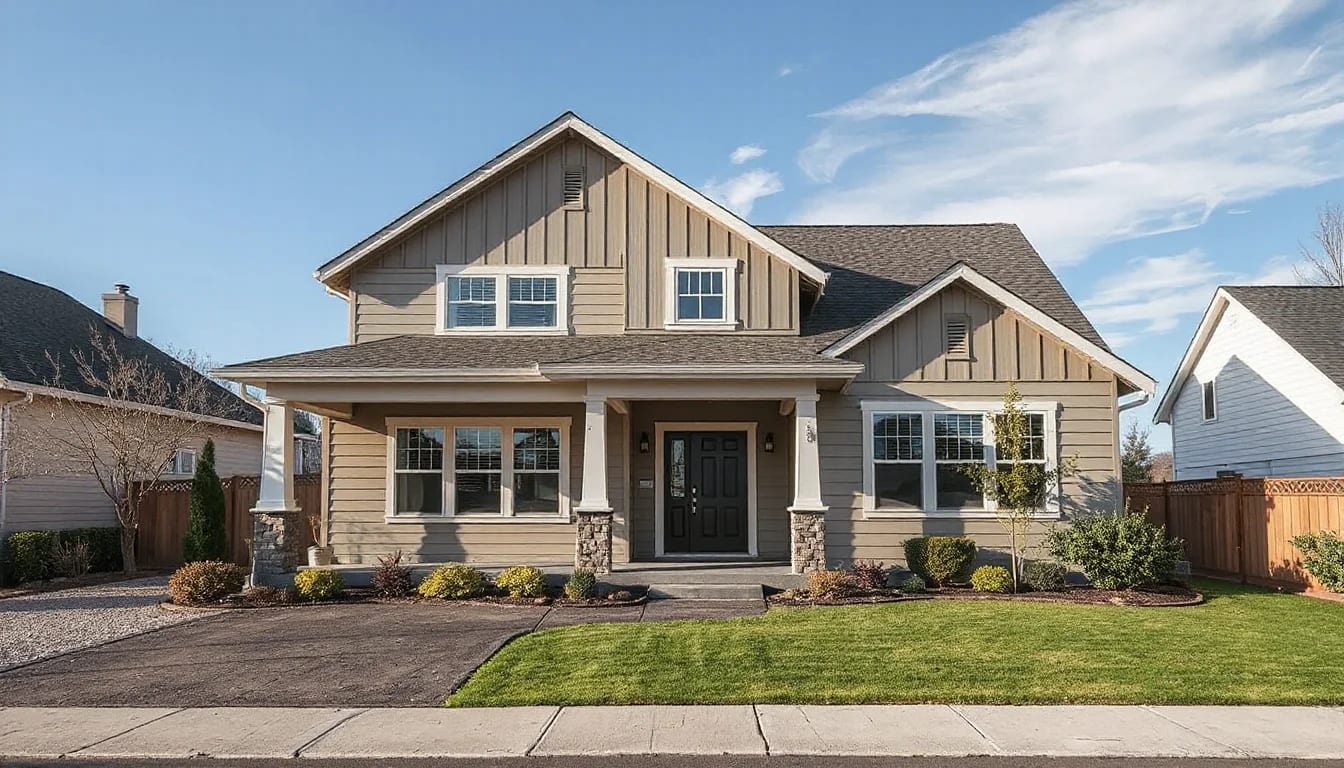
Buying a property for short-term rental use in Sisters can look appealing on paper, but the details that matter most are local rules, seasonality, operating costs, and realistic occupancy assumptions. This guide walks through the practical questions to ask before you buy so you can evaluate income potential with a clearer view of risk, cash flow, and long-term flexibility.
Why short-term rental analysis in Sisters takes more than a quick revenue estimate
Sisters draws steady interest thanks to its mountain views, walkable core, outdoor access, and year-round visitor appeal. That combination often puts short-term rental property on buyers’ radar. Still, a purchase decision should never rest on gross income projections alone. The best analysis starts with whether a home can legally operate as a short-term rental, what use restrictions may apply, and how those rules affect both present income and future resale options.

In a market like this, two homes with similar square footage can perform very differently. One may be in a zone or association that allows short-term rentals, while another may have restrictions that limit rental duration, occupancy, parking, or owner use. A cabin near recreation may have strong peak-season demand but more variable shoulder-season booking patterns. A home closer to the town center may support higher nightly rates, yet carry a higher acquisition cost that changes the return profile.
That is why ROI should be viewed as a layered calculation: legal feasibility first, operating assumptions second, financing third, and appreciation potential alongside all of it. Buyers who take that order seriously usually make cleaner decisions and avoid relying on overly optimistic listing descriptions or generic online calculators.
A property that looks profitable at a glance can lose much of its margin once permit limits, cleaning turnover, vacancy periods, and seasonal pricing swings are added to the worksheet.
Start with local rules, permits, and property-specific restrictions
The first step is verifying current city, county, and subdivision rules that apply to the exact address. In and around Sisters, short-term rental regulations may involve local licensing, land use standards, tax collection obligations, occupancy caps, parking requirements, noise standards, and life-safety compliance. Rules also change over time, so buyers should treat older advice from forums, neighbors, or archived listings as incomplete until confirmed through current local sources.
It is equally important to examine private restrictions. A homeowners association, planned community, or deed restriction can be more limiting than city regulations. Some communities permit short-term rentals with registration, some require minimum lease terms, and some place restrictions on how frequently a property can be rented. If the property is part of a managed development, ask for the full governing documents, recent board communications, and any pending policy discussions that could affect future use.
Another practical point: do not assume that a home already marketed as a vacation rental is fully transferable as-is. Existing permits, business registrations, or tax accounts may not automatically move to a new owner. The right question is not “Has it rented before?” but “Can I legally continue operating it under current rules after closing?”
Ask about local purchase factors
How to build a more realistic ROI model
A useful ROI model begins with conservative gross revenue assumptions. Rather than taking the highest advertised nightly rate and multiplying it by an aggressive occupancy figure, break the calendar into seasons. Estimate peak periods, shoulder months, and slower stretches separately. Sisters benefits from tourism tied to outdoor recreation, regional events, and scenic travel, but booking demand is rarely uniform across all 12 months.
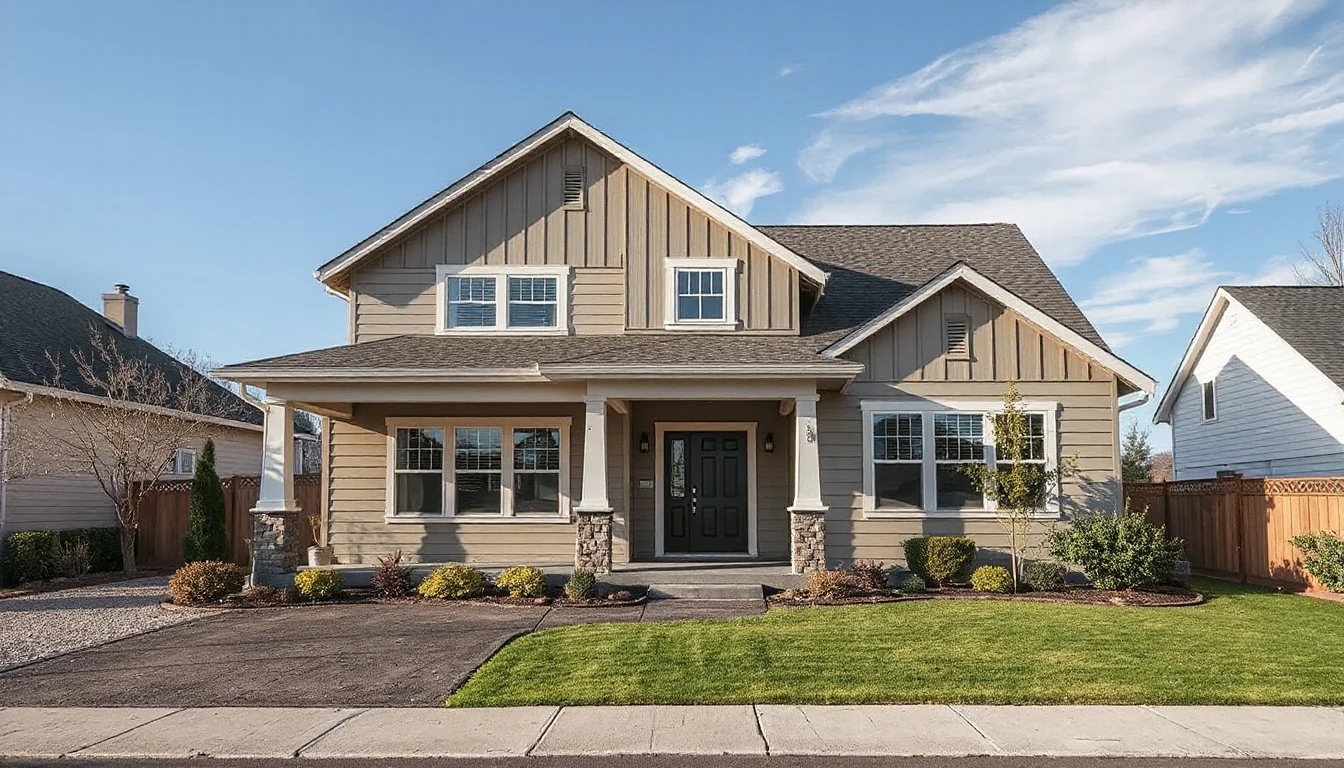
From there, subtract the expenses that owners sometimes underestimate. These often include mortgage payments, property taxes, insurance, utilities, internet, landscaping, snow removal when needed, regular maintenance, furnishings, replenishment of household items, booking platform fees, local lodging taxes, professional photography, and management or cleaning costs. If the property requires specialty systems such as private water or septic service, include reserves for inspection and maintenance. If a home has a hot tub or larger outdoor area, operating and liability costs may also rise.
Financing matters just as much as revenue. Interest rate, down payment, reserves, and lender requirements can materially change your monthly carry. A property may still make sense if it does not fully cash flow on day one, but that should be a deliberate choice based on broader goals such as personal use, long-term hold, or expected appreciation. The key is knowing whether the shortfall is manageable under your own budget rather than hoping future bookings will solve it.
Many buyers find it helpful to run three scenarios: best case, expected case, and stress case. The stress case should include lower occupancy, a few unexpected repairs, and slightly softer pricing. If the purchase only works under a perfect scenario, it may not be as strong as it first appears.
A disciplined stress test can be more valuable than an exciting pro forma. If the numbers still feel workable during a slower season, the investment case is usually stronger.
Look beyond income: flexibility, exit strategy, and market positioning
Short-term rental ROI is not just about annual cash flow. A smart purchase also considers what happens if rules change, demand softens, or your own plans evolve. Could the home function well as a primary residence, second home, or mid-term rental? Would it still attract buyers if a future purchaser is less focused on nightly rental income? Properties with multiple use paths often offer more resilience than highly specialized inventory.
Market positioning also matters. In Sisters, buyers often compare walkability, mountain access, lot size, architectural character, and ease of upkeep. A smaller, efficient home in a convenient setting may outperform a larger property with higher maintenance demands. Likewise, a home with a thoughtful layout, attractive outdoor living, and updated systems may generate steadier interest than one that simply has more square footage.
It helps to think like both an owner and a guest. Is there practical parking? Are finishes durable enough for repeated turnover? Will the property photos well in different seasons? Can the home remain appealing without constant capital spending? Those questions affect both guest demand and the budget needed to keep the property competitive over time.
A practical approach before making an offer
Before writing an offer, assemble a working file for the property: zoning or land-use confirmation, permit requirements, HOA documents if applicable, tax history, insurance estimates, utility averages if available, and a line-by-line operating budget. Then compare the target home against a few nearby alternatives to see whether the expected return is coming from strong fundamentals or just optimistic assumptions. That comparison often reveals whether a buyer is paying a premium for location, finish level, or rental history—and whether that premium is justified.
Sisters remains a compelling market for many buyers because it offers scenery, recreation, and a distinctive small-town setting that attracts visitors throughout the year. Even so, the strongest investment decisions usually come from careful verification, conservative math, and a willingness to walk away when a property’s restrictions or expense load do not fit the plan. If you evaluate each opportunity through that lens, you will be in a much better position to find a property that aligns with both your income goals and your long-term ownership strategy.